Why I Believe in Poverty as the Richest Experience That Can Come to a Boy
by Edward William Bok
Hardship, Character, and the Hidden Value of Early Struggle
Why I Believe in Poverty as the Richest Experience That Can Come to a Boy by Edward William Bok is a reflective and motivational essay exploring hardship, self-reliance, ambition, and the formative value of growing up with limited means. Drawing upon his own experiences, Bok argues that poverty can develop discipline, resilience, gratitude, independence, and practical understanding in ways that comfort and privilege often cannot.
Rather than romanticizing suffering itself, Bok emphasizes how adversity may strengthen character and encourage personal growth when approached with determination and purpose.
The Lessons Hidden Within Hardship
The essay reflects upon Bok’s belief that young people who face financial difficulty early in life often develop stronger habits of responsibility, work ethic, and appreciation for opportunity.
Bok repeatedly argues that struggle teaches practical lessons about effort, perseverance, and self-discipline.
Rather than viewing poverty solely as misfortune, the work presents it as an experience capable of building emotional strength, ambition, and independence.
The essay also stresses the importance of determination, education, initiative, and willingness to work steadily toward improvement despite obstacles.
Its tone combines personal reflection with motivational encouragement and moral philosophy.
Ideas and Reflections Explored Throughout the Essay
- Hardship and Character Development: Bok argues that difficulty often strengthens resilience, discipline, and determination.
- Self-Reliance and Independence: Limited circumstances encourage initiative, responsibility, and practical problem-solving.
- Ambition and Perseverance: The essay promotes persistence and willingness to improve one’s condition through effort.
- Gratitude and Appreciation: Struggle can deepen understanding of opportunity, success, and personal achievement.
The work reflects the self-help philosophy and belief in character-building adversity that shaped much early American motivational literature.
Poverty as an Unintended Teacher
One of the essay’s strongest ideas is that comfort and privilege do not always prepare individuals for the realities of life as effectively as hardship and responsibility.
Bok repeatedly suggests that early struggle often teaches discipline, patience, resourcefulness, and appreciation for achievement.
The work also emphasizes that poverty alone guarantees nothing unless accompanied by determination, effort, and willingness to learn from experience.
This balanced perspective gives the essay both motivational force and reflective depth.
Edward William Bok’s Personal and Encouraging Style
Why I Believe in Poverty as the Richest Experience That Can Come to a Boy demonstrates Edward William Bok’s ability to combine autobiography, moral reflection, and practical encouragement into accessible and persuasive prose.
The writing remains sincere, optimistic, and strongly focused upon personal responsibility and self-improvement.
Bok consistently encourages readers to transform adversity into motivation rather than discouragement.
Why the Essay Still Resonates Today
Modern readers continue finding Why I Believe in Poverty as the Richest Experience That Can Come to a Boy thought-provoking because its themes of resilience, perseverance, ambition, and character formation remain widely relevant.
The essay also provides historical insight into early twentieth-century attitudes toward work, self-made success, hardship, and personal development.
For readers interested in motivational literature, autobiography, self-improvement philosophy, social history, and classic reflections on success and adversity, this work remains reflective, encouraging, and historically engaging.
Similar Genres
About the Author
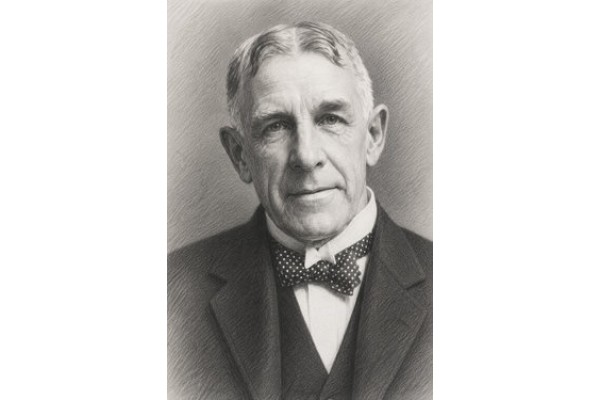
Edward William Bok was a Dutch-born American author, editor, journalist, and philanthropist whose visionary leadership transformed magazine publishing in the United States. Born in Helder, the Netherlands, in 1863, Bok immigrated to America as a young boy and rose from humble beginnings to become one of the country's most influential editors. Explore Edward William Bok books to discover the author's life, literary career, and access notable works, including The Young Man in Business, Successward - A Young Man's Book for Young Men , and more.