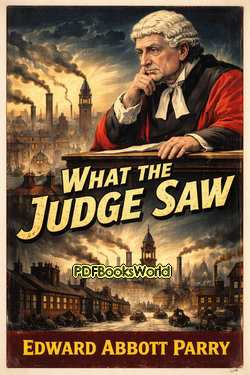
What the Judge Saw
by Edward Abbott Parry
A Clever and Reflective Tale of Justice, Observation, and Human Nature
What the Judge Saw by Edward Abbott Parry is an engaging legal and psychological narrative exploring truth, perception, and the complexities hidden beneath outward appearances. Drawing upon Parry’s experience within the legal world, the story combines courtroom insight, human drama, and thoughtful observation about society and character.
The title immediately suggests mystery and revelation, focusing attention on the unique perspective of a judge whose observations extend beyond simple legal evidence. Through suspense, irony, and moral reflection, the narrative examines how justice depends not only on law, but also on understanding human behavior.
The work blends legal drama with social commentary and psychological insight.
A Judge Confronts Hidden Truths
The narrative centers on a judge involved in a case or situation where appearances prove misleading and deeper truths gradually emerge through careful observation. Testimony, behavior, and hidden motives all contribute to the unfolding mystery.
The judge’s perspective becomes central to the story, emphasizing experience, intuition, and awareness of human weakness. What the judge “saw” may refer not only to visible events, but also to emotional realities hidden beneath public behavior.
The story builds tension through uncertainty, moral ambiguity, and gradual revelation.
The Observant Style of Edward Abbott Parry
Edward Abbott Parry writes in a polished and intelligent style emphasizing dialogue, character study, and social realism. His legal background gives authenticity to the courtroom atmosphere and moral questions explored within the narrative.
The language balances wit and seriousness while maintaining a reflective tone.
Parry’s careful attention to human behavior gives the story psychological depth and credibility.
Main Themes and Moral Reflections
The story explores themes of justice, truth, perception, morality, deception, responsibility, and the limitations of appearances. It also reflects broader questions about fairness and the difficulty of understanding human motives.
Through legal conflict and personal observation, the narrative examines how wisdom and experience influence judgment.
Why the Story Still Holds Appeal
What the Judge Saw remains engaging because readers continue to enjoy courtroom and mystery stories exploring hidden motives and moral uncertainty. The thoughtful perspective of the judge gives the narrative both suspense and intellectual interest.
Readers interested in legal fiction often appreciate stories emphasizing psychological realism and ethical complexity rather than sensational action alone.
Its atmosphere of quiet suspense and reflective observation continues to make the work compelling.
The Lasting Appeal of Legal and Courtroom Fiction
Legal fiction became highly popular because courts provided dramatic settings where truth, morality, and social conflict could be examined in concentrated form. Judges and lawyers often served as observers of human weakness and social tension.
Stories involving trials and judicial insight allowed writers to explore both individual behavior and broader moral questions.
The continuing fascination with justice and hidden truth helps preserve interest in works like this.
Final Thoughts
What the Judge Saw by Edward Abbott Parry is a thoughtful and suspenseful narrative exploring justice, perception, and the hidden complexities of human behavior. Through intelligent storytelling and psychological insight, the work captures the delicate relationship between truth, morality, and judgment.
For readers interested in legal fiction, courtroom drama, and reflective mystery stories, this work remains both engaging and intellectually rewarding.
Similar Genres
About the Author
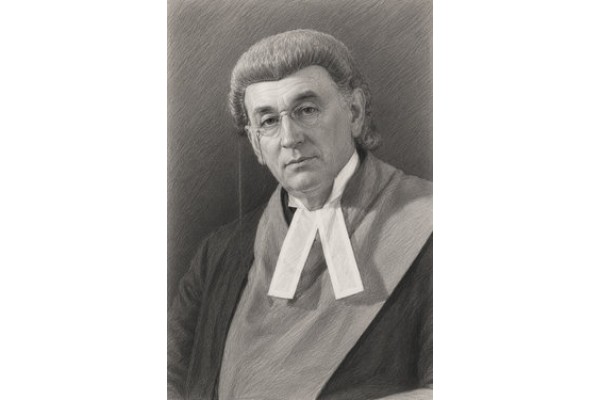
Edward Abbott Parry was a British judge, author, dramatist, and legal scholar whose engaging writings combined professional experience with wit, historical insight, and a deep appreciation for justice. Born in London in 1863, Parry enjoyed a distinguished legal career, serving as a County Court judge while also becoming a respected author of books on law, history, and literature. Explore Edward Abbott Parry books to discover the author's life, literary career, and access notable works, including Judgments in Vacation, The Seven Lamps of Advocacy , and more.