Vitruvius Pollio
Vitruvius Pollio, commonly known as Vitruvius, was a Roman architect, military engineer, and architectural theorist whose writings laid the foundations of Western architectural thought. Living during the first century BCE, he combined practical experience with scholarly knowledge to produce the earliest surviving comprehensive treatise on architecture. His ideas on design, engineering, proportion, and construction profoundly influenced architects from the Renaissance onward, including figures such as Leonardo da Vinci and Andrea Palladio. Today, Vitruvius is regarded as one of the most important architectural thinkers in history.
Defining the Principles of Great Architecture
Vitruvius believed that every successful building should embody three essential qualities: strength, usefulness, and beauty. His writings explore architecture as a harmonious blend of engineering, artistic design, mathematics, and respect for human proportions. Beyond building techniques, he discusses town planning, water supply, machinery, temples, theatres, and public works, demonstrating that architecture is deeply connected to both practical needs and cultural values. These principles continue to shape architectural education and design around the world.
Technical Knowledge with Lasting Clarity
Vitruvius wrote in a systematic, thoughtful, and highly organized style that presents technical subjects in a logical and accessible manner. His observations combine practical construction methods with philosophical reflections on proportion and aesthetics, creating a work that serves as both an engineering manual and a timeless exploration of architectural theory. Despite its ancient origins, the clarity of his ideas continues to engage architects, historians, and students alike.
Books Worth Reading
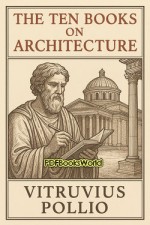
Vitruvius is known today for only one surviving masterpiece, The Ten Books on Architecture. It is the oldest complete architectural treatise to survive from antiquity and one of the most influential works ever written on the subject.
A Foundational Architectural Classic in Our Library
The Ten Books on Architecture presents a comprehensive study of architectural design, engineering, urban planning, construction methods, materials, and the principles that govern beautiful and functional buildings. Covering subjects ranging from temples and public structures to water systems, machines, and human proportions, the work demonstrates how architecture combines science, craftsmanship, and artistic vision. Revered for more than two thousand years, it remains an essential reference for understanding classical architecture and the enduring principles that continue to influence modern design.
An Enduring Legacy in Architecture
Vitruvius is remembered as the founding theorist of Western architecture, whose ideas continue to inspire architects, engineers, designers, and historians across the world. His emphasis on proportion, functionality, and structural integrity has shaped countless buildings and architectural traditions throughout history. PDF Books World has carefully curated a digital edition of this enduring classic, allowing modern readers to explore the timeless wisdom and remarkable achievements of one of antiquity's greatest architectural thinkers.