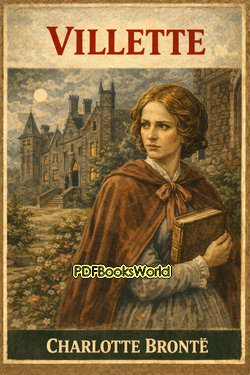
Villette
by Charlotte Bronte
Loneliness, Desire, and Emotional Resilience in Charlotte Brontë’s Most Introspective Novel
Quiet emotional suffering, hidden passion, social isolation, and the search for personal independence shape the deeply psychological world of Villette by Charlotte Brontë. Often considered one of Brontë’s most mature and emotionally complex novels, the story follows Lucy Snowe, a reserved and intelligent woman who travels to a foreign city in search of work, stability, and meaning after personal loss and uncertainty.
Unlike many conventional Victorian romances, the novel explores emotional life with unusual subtlety, restraint, and psychological realism.
Lucy Snowe and the Experience of Isolation
Lucy Snowe stands among the most fascinating narrators in nineteenth-century literature because she reveals herself gradually and often indirectly. Reserved, observant, and emotionally guarded, she frequently conceals her deepest feelings from both other characters and the reader.
Her move to the fictional city of Villette places her in an unfamiliar cultural and emotional environment where she must survive largely through self-discipline and inner strength.
The novel repeatedly returns to themes of solitude and emotional endurance.
A Foreign City Filled With Emotional Tension
Villette itself becomes more than a setting. The city’s schools, streets, churches, and social spaces create an atmosphere of mystery, distance, and emotional pressure.
Lucy works in a girls’ school while navigating relationships shaped by:
- Unspoken affection and romantic uncertainty
- Cultural and religious differences
- Social expectations placed upon women
- Inner conflict between passion and restraint
The emotional drama often unfolds quietly beneath ordinary daily interactions.
Psychological Depth Beyond Conventional Romance
Although romance plays an important role, Villette focuses more heavily on emotional consciousness and personal identity than on simple courtship narrative.
Lucy’s inner world includes loneliness, jealousy, hope, fear, longing, and suppressed desire.
Brontë examines how emotional experiences may remain hidden beneath calm outward behavior.
The novel therefore feels strikingly modern in its psychological sensitivity.
Religion, Culture, and Personal Freedom
The story also explores tension between Protestant English identity and the Catholic culture of Villette. Lucy often experiences herself as both outsider and observer within the foreign society surrounding her.
Questions involving authority, faith, education, and independence shape many interactions throughout the novel.
Brontë uses these cultural contrasts to deepen the themes of isolation and self-definition.
The Distinctive Style of Charlotte Brontë
Brontë writes with emotional intensity balanced by remarkable psychological control. The narration frequently shifts between sharp observation and deeply personal reflection.
Atmosphere plays a major role, with weather, architecture, light, and silence often reflecting emotional states.
The prose carries both restraint and passionate undercurrents throughout the novel.
Why Villette Still Resonates With Readers
Villette remains powerful because it portrays emotional isolation and personal resilience with extraordinary honesty. Lucy Snowe’s struggle for dignity, independence, and emotional connection continues to feel profoundly human.
For readers interested in Victorian literature, psychological fiction, women’s narratives, emotional realism, and complex character studies, Charlotte Brontë’s novel offers one of the richest and most emotionally nuanced experiences in nineteenth-century fiction.
Similar Genres
About the Author
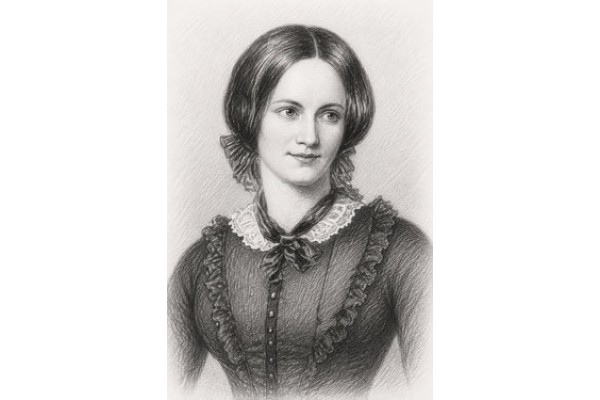
Charlotte Brontë was one of England's greatest novelists, whose emotionally powerful stories transformed Victorian literature through their psychological depth, memorable heroines, and exploration of personal independence. Born in Yorkshire in 1816, Brontë overcame personal hardship and social limitations to create novels that continue to captivate readers around the world. Explore Charlotte Bronte books to discover the author's life, literary career, and access notable works, including Jane Eyre, Jane Eyre - An Autobiography , and more.