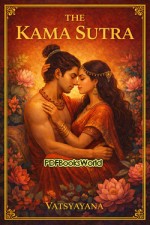
Vatsyayana
Vatsyayana was an ancient Indian philosopher and scholar best known for compiling one of the world's most influential works on human relationships, ethics, and social life. Although little is known about his personal life, his writings reveal a thoughtful observer of society who sought to explain the many aspects of human relationships within the cultural traditions of ancient India. Rather than focusing on a single subject, Vatsyayana examined love, marriage, family life, personal conduct, and the responsibilities of individuals within society. His work has been studied for centuries as an important contribution to Indian philosophy, literature, and cultural history.
A Scholar of Human Relationships
Vatsyayana believed that human life should be understood through a balance of knowledge, responsibility, and personal fulfillment. His writing explored the social customs and ethical principles that guided relationships in ancient India, presenting them in a systematic and organized manner. While modern readers often associate his work with only one aspect of human life, the text also discusses courtship, marriage, friendship, household responsibilities, and respectful conduct. This broader perspective has helped scholars recognize the work as an important historical and cultural document rather than simply a manual on a single topic.
A Window into Ancient Indian Society
One of Vatsyayana's greatest contributions was preserving valuable information about the customs, traditions, and daily life of ancient India. His observations provide insight into education, social etiquette, family relationships, and cultural values during his time. Historians and literary scholars continue to study his work because it offers a detailed picture of society and reflects the intellectual traditions of classical India. Although some ideas naturally belong to the historical period in which they were written, the work remains an important source for understanding ancient Indian civilization.
An Enduring Influence on Literature and Culture
For centuries, Vatsyayana's work has influenced discussions about philosophy, sociology, literature, and cultural history. It has been translated into many languages and continues to attract readers interested in the intellectual heritage of India. Modern scholarship often examines the text within its historical and cultural context, emphasizing its broader exploration of relationships, ethics, and social organization. This enduring interest demonstrates the lasting significance of Vatsyayana's contribution to world literature and the study of human society.
A Landmark of Classical Indian Literature
The Kama Sutra remains Vatsyayana's best-known work and one of the most widely recognized texts from ancient India. Beyond its popular reputation, the book presents a broad discussion of relationships, marriage, social customs, and personal conduct as understood in its historical setting. It continues to be valued by historians, literary scholars, and readers interested in the philosophy, culture, and social traditions of classical India.
Readers interested in Indian philosophy, cultural history, and classical literature can explore The Kama Sutra at PDF Books World. The carefully prepared edition allows modern readers to appreciate this influential work within its historical and literary context while gaining a deeper understanding of one of the most significant texts in India's intellectual heritage.