
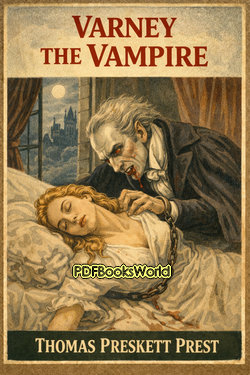
Varney the Vampire; Or, the Feast of Blood
by Thomas Preskett Prest
Gothic Horror, Midnight Terror, and the Rise of the Victorian Vampire Legend
Storm-darkened mansions, mysterious attacks, secret passages, pale figures appearing at bedroom windows, and ancient curses fill the sensational world of Varney the Vampire; Or, the Feast of Blood by Thomas Preskett Prest. First published as a serialized “penny dreadful” during the nineteenth century, the sprawling tale became one of the earliest and most influential vampire stories in English popular fiction.
Long before Dracula entered literature, Varney helped shape many of the vampire traditions that later became central to Gothic horror.
The Strange Figure of Sir Francis Varney
At the center of the story stands Sir Francis Varney, a tall, pale, mysterious figure whose unnatural appearance and disturbing behavior create fear wherever he appears.
Unlike purely monstrous villains, Varney often appears tragic, conflicted, and emotionally tormented by his cursed existence.
This complexity helped distinguish him from simpler horror antagonists common in earlier Gothic fiction.
The character shifts between predator, outcast, and tragic wanderer throughout the narrative.
The Birth of Familiar Vampire Traditions
Many vampire characteristics now considered classic appeared or gained popularity through works like Varney the Vampire.
- Nighttime attacks on sleeping victims
- Puncture wounds on the neck
- Supernatural strength and eerie appearance
- The blending of horror with forbidden fascination
The novel helped establish the vampire as one of literature’s enduring supernatural figures.
The World of the Penny Dreadful
The story originally appeared in serialized installments aimed at mass audiences hungry for suspense, horror, and melodrama.
Penny dreadfuls were inexpensive publications filled with sensational storytelling, dramatic cliffhangers, and emotional excess.
Readers followed ongoing adventures week after week, making suspense and shocking revelations essential parts of the experience.
This serialized structure contributes to the novel’s enormous length and constantly shifting plot.
Gothic Atmosphere and Emotional Excess
The novel embraces nearly every classic Gothic element imaginable.
Readers encounter:
- Haunted settings and gloomy mansions
- Family secrets and hidden identities
- Violence, madness, and revenge
- Fear mixed with fascination toward the supernatural
The emotional intensity remains deliberately dramatic and theatrical throughout the work.
The Style and Sensational Energy of the Novel
Thomas Preskett Prest writes with urgency, suspense, and vivid melodrama. Scenes are designed to shock, excite, and keep readers eager for the next revelation.
The prose often moves quickly between horror, action, emotional confession, and mystery.
The storytelling favors atmosphere and excitement over realism, giving the novel its distinctive Gothic energy.
Why Varney the Vampire Still Holds Importance
Varney the Vampire; Or, the Feast of Blood remains historically significant because it helped establish the vampire as a major literary and cultural figure long before modern horror cinema and fiction expanded the mythology further.
For readers interested in Gothic literature, Victorian popular fiction, supernatural horror, serialized storytelling, and the evolution of vampire mythology, the novel offers a fascinating and wildly entertaining journey into the origins of one of fiction’s most enduring monsters.
Similar Genres
About the Author
Thomas Preskett Prest was an English author, journalist, and editor who became one of the most popular writers of Victorian popular fiction. He is best remembered for his serialized stories, often called "penny dreadfuls," which were published in inexpensive weekly installments and attracted a wide audience. Explore Thomas Preskett Prest books to discover the author's life, literary career, and access notable works.