
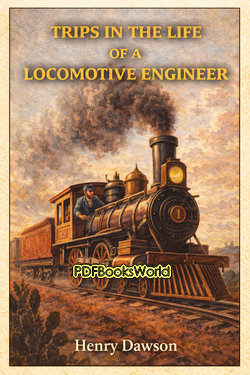
Trips in the Life of a Locomotive Engineer
by Henry Dawson
Railroad Adventure and the Dangerous Life of Early Engineers
Trips in the Life of a Locomotive Engineer by Henry Dawson is a vivid memoir and adventure narrative describing the experiences, dangers, and daily realities of railroad life during the nineteenth century. Drawing upon firsthand knowledge of locomotive work, Dawson presents the railroad not merely as transportation technology, but as a demanding world shaped by speed, risk, endurance, and mechanical skill.
The book captures the excitement and hardship connected with the rapid expansion of railroads during an era when steam locomotives transformed industry, travel, and communication.
Life on the Railroad
The narrative follows Dawson’s experiences as a locomotive engineer responsible for operating powerful steam engines across long and often dangerous routes. Readers encounter dramatic journeys through storms, mechanical failures, accidents, and difficult terrain requiring constant alertness and technical ability.
The work describes not only the machinery itself, but also the human effort required to maintain schedules, handle emergencies, and survive exhausting working conditions. Railroad crews faced physical danger daily while transporting passengers and freight through rapidly expanding railway networks.
Rather than romanticizing railroad life entirely, Dawson presents it as a profession demanding courage, discipline, and practical intelligence.
Technology and Human Endurance
A major theme throughout the book is the relationship between industrial technology and human labor. Dawson repeatedly emphasizes that locomotives depended upon skilled engineers capable of responding quickly under pressure.
The work also reflects nineteenth-century fascination with steam power and mechanical progress. Railroads symbolized modernity, economic growth, and national expansion while simultaneously exposing workers to serious danger.
At the same time, the narrative celebrates camaraderie among railroad workers and admiration for engineering skill.
This combination of memoir and industrial history gives the work lasting historical interest.
Historical Themes Explored Throughout the Book
- Railroad Expansion: Steam locomotives transformed transportation and commerce.
- Industrial Labor and Skill: Engineers required technical knowledge and endurance.
- Danger and Survival: Railroad work involved constant physical risk.
- Mechanical Innovation: Steam technology reshaped nineteenth-century society.
- Camaraderie and Professional Pride: Railroad workers formed strong occupational communities.
Henry Dawson’s Narrative Style
Trips in the Life of a Locomotive Engineer demonstrates Henry Dawson’s direct and energetic storytelling style. His writing remains practical, descriptive, and strongly focused upon authentic experiences rather than fictional exaggeration.
Dawson consistently presents railroad engineering as both a dangerous occupation and a source of personal pride and excitement.
Why the Book Still Holds Historical Interest
Modern readers continue finding Trips in the Life of a Locomotive Engineer valuable because it preserves firsthand impressions of railroad life during a transformative period of industrial history. The work also provides insight into the human experiences behind technological progress and transportation expansion.
Its themes of engineering, industrial labor, mechanical innovation, danger, and endurance continue appealing to readers interested in railroad history, industrialization, transportation studies, and nineteenth-century memoir literature.
Similar Genres
About the Author
Henry Dawson was an English railway engineer, writer, and observer of industrial life whose works captured the challenges, responsibilities, and excitement of the early railway age. Drawing upon practical experience, Dawson wrote about the people, machinery, and daily operations that powered the rapidly expanding railway networks of the nineteenth century. Explore Henry Dawson books to discover the author's life, literary career, and access notable works.