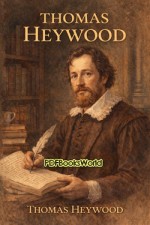
Thomas Heywood
Thomas Heywood was a prolific English playwright, actor, and poet whose career flourished during the late Elizabethan and early Jacobean periods. Regarded as one of the most productive dramatists of his age, he is believed to have contributed to more than two hundred plays, many of which explored the lives, values, and experiences of ordinary people. Unlike several of his contemporaries who focused primarily on royalty and nobility, Heywood frequently portrayed merchants, families, and citizens with realism and compassion. The Best Plays of the Old Dramatists preserves some of his finest dramatic works, highlighting the enduring appeal of his storytelling and his important place in the history of English theatre.
A Remarkably Prolific Playwright
Thomas Heywood devoted much of his life to the stage, working not only as a playwright but also as an actor and theatre professional. His close involvement with theatrical companies gave him a practical understanding of performance, dialogue, and audience expectations. This experience enabled him to write plays that balanced engaging plots with believable characters and effective stagecraft.
His dramas range across many genres, including comedy, tragedy, history, and romance. Whether depicting domestic life or legendary events, Heywood consistently demonstrated a gift for vivid storytelling and emotional authenticity.
Drama Rooted in Everyday Life
One of Heywood's greatest strengths was his ability to portray ordinary people with sympathy and realism. His plays often examine family relationships, personal honor, loyalty, justice, and moral responsibility, presenting characters whose struggles remain recognizable to modern audiences. Rather than relying solely on spectacular events, he explored the emotional consequences of everyday choices and human relationships.
His writing style is direct and accessible, combining lively dialogue with carefully constructed scenes. This natural approach allowed audiences to connect with his characters while appreciating the deeper themes woven throughout his plays.
Popular Works
- A Woman Killed with Kindness – A landmark domestic tragedy exploring love, forgiveness, and moral responsibility.
- The English Traveller – A compelling drama centered on friendship, loyalty, and betrayal.
- The Fair Maid of the West – One of Heywood's most celebrated adventure plays, featuring a courageous and resourceful heroine.
- The Iron Age – A dramatic retelling of stories from Greek mythology and the Trojan War.
- An Apology for Actors – An influential prose work defending the artistic and cultural importance of the theatre.
His Contribution to English Theatre
Thomas Heywood played an important role in the development of Renaissance drama by expanding the range of subjects presented on the English stage. His focus on domestic life, strong character development, and realistic dialogue complemented the grand historical and tragic works of his contemporaries. He also contributed significantly to the professional theatre through his acting, writing, and collaboration with leading theatrical companies of the period.
His works provide valuable insight into the social values, customs, and everyday experiences of early modern England. Literary scholars continue to study his plays for their historical significance, dramatic craftsmanship, and humane portrayal of ordinary lives.
An Enduring Legacy
Thomas Heywood remains one of the most respected dramatists of the English Renaissance. Although often overshadowed by William Shakespeare and a few of his contemporaries, his plays continue to be appreciated for their emotional depth, realistic characters, and engaging narratives. His influence on domestic drama and popular theatre has secured him a lasting place in English literary history.
The Best Plays of the Old Dramatists offers modern readers an excellent introduction to Thomas Heywood's enduring dramatic achievements. PDF Books World carefully curates editions of his classic works, allowing readers to rediscover the richness of Renaissance theatre through the writings of one of its most accomplished and prolific playwrights.