
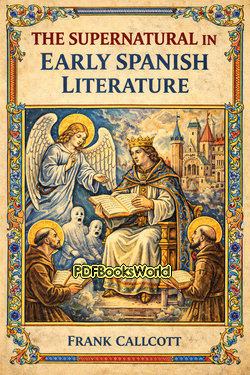
The supernatural in early Spanish literature
by Frank Callcott
An Exploration of Magic, Miracles, and the Unseen in Early Spanish Writing
The Supernatural in Early Spanish Literature by Frank Callcott is a scholarly study examining how supernatural elements appeared and evolved within the literature of medieval and early modern Spain. Drawing upon religious texts, legends, romances, epics, and dramatic works, Callcott investigates the role played by miracles, visions, magic, demons, saints, and otherworldly forces in shaping Spanish literary traditions.
The Supernatural as a Literary Tradition
Throughout history, writers have used supernatural themes to explore questions of faith, morality, destiny, and human experience. In Spanish literature, these elements often reflected the religious beliefs, cultural influences, and historical circumstances of the societies that produced them.
Callcott examines how the supernatural became an important component of storytelling and literary expression.
Major Subjects Covered
- Religious Miracles: Accounts of divine intervention and saintly wonders.
- Legends and Folklore: Traditional stories involving supernatural beings and events.
- Magic and Sorcery: Literary portrayals of enchantment and occult practices.
- Visions and Dreams: Experiences connecting the human and spiritual worlds.
- Medieval Literature: The development of supernatural themes in early Spanish texts.
The Influence of Religion
Religion played a central role in Spanish culture for centuries, and many literary works reflected Christian beliefs about heaven, hell, miracles, angels, and divine justice. Supernatural events often served to reinforce moral lessons or demonstrate spiritual truths.
The book explores the close relationship between literature and religious thought.
Folklore and Popular Imagination
Alongside religious traditions, Spanish literature drew inspiration from folklore and oral storytelling. Tales of mysterious creatures, enchanted places, and extraordinary occurrences enriched the literary landscape and provided material for poets and storytellers.
These traditions contributed to the diversity of supernatural themes.
Cultural Influences and Historical Context
Spain's history brought together Christian, Islamic, and Jewish cultural traditions, each of which contributed ideas and narratives involving supernatural phenomena. Callcott examines how these influences interacted within literary works and helped shape distinctive Spanish perspectives.
The resulting literary tradition was both rich and varied.
The Supernatural as Symbolism
Many supernatural elements function not merely as sources of wonder but as symbols representing deeper ideas. Visions may convey spiritual insight, magical events may reflect moral struggles, and encounters with otherworldly forces may reveal human fears and aspirations.
The book encourages readers to consider these broader meanings.
Early Spanish Literature and Its Development
By tracing supernatural themes across different genres and periods, Callcott illustrates how Spanish literature evolved over time. Certain motifs persisted for centuries, while others changed in response to shifting religious, cultural, and artistic influences.
This historical perspective provides valuable literary context.
Why the Book Remains Valuable
Students of literature, folklore, cultural history, and religious studies continue to find the work informative. It offers insight into how supernatural themes functioned within one of Europe's most influential literary traditions.
The study helps readers better understand both the texts themselves and the societies that produced them.
A Scholarly Study of Wonder and Belief in Spanish Literature
The Supernatural in Early Spanish Literature examines the many ways writers employed miracles, magic, visions, and otherworldly encounters to enrich their stories and communicate deeper meanings. Through careful analysis of literary works and cultural traditions, Frank Callcott reveals the enduring importance of the supernatural in the development of Spanish literature. The book remains a valuable resource for readers interested in literary history, folklore, and the imaginative dimensions of human belief.
Similar Genres
About the Author
Frank Callcott was a literary scholar, educator, and author whose research focused on Spanish literature, folklore, and the cultural traditions of medieval and early modern Spain. Through careful analysis of historical texts, Callcott explored the ways in which mythology, religion, and popular beliefs shaped literary expression. Explore Frank Callcott books to discover the author's life, literary career, and access notable works.