
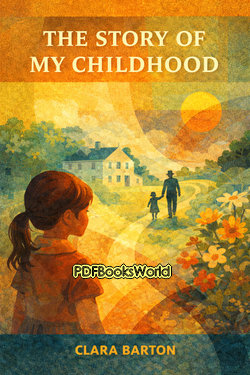
The story of my childhood
by Clara Barton
Compassion, Determination, and the Early Life of a Humanitarian Pioneer
The Story of My Childhood by Clara Barton is a deeply personal autobiographical work recounting the early years of one of America’s most influential humanitarian figures. Best known as the founder of the American Red Cross, Barton reflects upon her childhood experiences, family life, education, fears, emotional struggles, and early development in rural nineteenth-century Massachusetts. The book offers both intimate self-portrait and historical glimpse into American domestic and social life during the early republic.
Barton presents childhood not as a sentimental ideal alone, but as a formative period shaped by discipline, loneliness, curiosity, moral instruction, and emotional sensitivity. Her recollections reveal how personal experiences helped shape the resilience and compassion that later defined her public life.
A Sensitive Child in Rural New England
The memoir describes Barton’s upbringing within a hardworking family whose values emphasized duty, patriotism, honesty, and perseverance. As the youngest child in the household, Clara often felt shy and emotionally vulnerable, preferring solitude, books, and close family companionship over social activity.
She writes candidly about childhood fears, illnesses, moments of embarrassment, and her difficulty adjusting to formal schooling. At the same time, Barton describes the intellectual encouragement she received from older siblings and parents who recognized her intelligence and determination.
One of the most significant episodes in the memoir involves her devoted nursing care for an injured brother, an experience that foreshadowed her later dedication to medicine and humanitarian service during the American Civil War.
Rather than portraying herself as naturally heroic, Barton emphasizes gradual personal growth shaped through emotional struggle, family influence, and practical responsibility.
Its tone combines honesty, warmth, reflection, and emotional sincerity.
Characters
- Clara Barton: The sensitive and intelligent young narrator whose childhood experiences shaped her later humanitarian work.
- Captain Stephen Barton: Clara’s father, whose stories of military service and patriotism strongly influenced her character.
- Sarah Barton: Clara’s mother, representing discipline, domestic responsibility, and moral guidance.
- Clara’s Siblings: Older brothers and sisters who provided education, encouragement, and emotional support.
Education, Compassion, and Personal Strength
A major theme throughout the memoir is the development of inner strength through hardship and emotional sensitivity. Barton repeatedly reflects upon how shyness, anxiety, and self-doubt gradually gave way to confidence and practical ability.
The book also emphasizes the importance of compassion and service to others. Her childhood experiences caring for family members helped establish habits of patience, endurance, and emotional resilience that later became central to her humanitarian achievements.
At the same time, the memoir provides insight into nineteenth-century education, family discipline, gender expectations, and rural American life.
This combination of personal reflection and historical detail gives the work lasting significance.
Autobiographical and Historical Themes Explored Throughout the Book
- Childhood and Emotional Growth: Barton examines fear, shyness, and gradual development of confidence.
- Family Influence and Moral Education: Parents and siblings shape character and values.
- Compassion and Caregiving: Early nursing experiences foreshadow Barton’s humanitarian career.
- Education and Self-Improvement: Learning becomes central to personal independence and growth.
- Nineteenth-Century American Life: The memoir preserves details of rural society and domestic culture.
The book stands as both personal memoir and historical portrait of early American life.
The Making of a Humanitarian
One of the work’s strongest ideas is that qualities such as compassion, perseverance, and courage often emerge gradually through ordinary experiences rather than dramatic moments alone.
Barton repeatedly demonstrates how childhood struggles and responsibilities helped prepare her for later public service during times of national crisis.
The memoir also reveals the emotional depth and humanity behind one of America’s most admired reformers and nurses.
This personal honesty gives the narrative enduring emotional power.
Clara Barton’s Reflective Writing Style
The Story of My Childhood demonstrates Clara Barton’s ability to combine vivid memory, emotional candor, and thoughtful reflection into engaging autobiographical writing.
The prose remains clear, sincere, and strongly focused upon conveying emotional truth rather than self-glorification.
Barton consistently presents personal growth as a process shaped through family, hardship, education, and service.
Why the Memoir Still Holds Historical and Literary Importance
Modern readers continue finding The Story of My Childhood valuable because it offers intimate insight into the early life of a major humanitarian figure while preserving details of nineteenth-century American culture and family life.
The memoir also provides understanding of how personal character and emotional resilience develop long before public achievement becomes visible.
Its themes of compassion, perseverance, education, family influence, and self-discovery continue resonating with readers interested in autobiography and social history.
For readers interested in Clara Barton, American history, memoirs, women’s history, humanitarian work, childhood studies, and nineteenth-century life writing, this work remains heartfelt, historically revealing, and deeply inspiring.
Similar Genres
About the Author
Clara Barton was an American nurse, humanitarian, educator, and founder of the American Red Cross. Celebrated for her extraordinary service during the American Civil War, she devoted her life to caring for the sick, wounded, and those affected by disasters. Explore Clara Barton books to discover the author's life, literary career, and access notable works.