
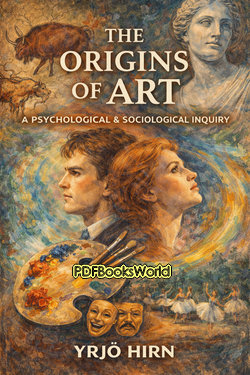
The origins of art
by Y. Hirn
Exploring How Art Became a Fundamental Part of Human Life
The Origins of Art by Y. Hirn is a thought-provoking study that examines one of humanity’s oldest and most fascinating questions: why art exists. Combining insights from psychology, anthropology, history, and aesthetics, Hirn investigates the forces that inspired early humans to create music, dance, visual art, and other forms of creative expression. Rather than viewing art as a luxury, the book argues that artistic activity is deeply connected to human nature and social development.
The Search for Art’s Beginnings
Throughout history, people have created images, songs, stories, and performances to communicate ideas and emotions. Hirn explores how these practices may have emerged in early societies and why artistic expression became such an important part of human culture. By examining both ancient traditions and modern observations, he seeks to uncover the roots of creativity itself.
Art and Human Emotion
A central argument of the book is that art grows from emotional experience. Feelings such as joy, fear, wonder, love, and excitement encourage people to express themselves in ways that go beyond ordinary communication. Artistic creation allows individuals to share emotions and strengthen connections with others.
Forms of Early Artistic Expression
- Music: Rhythms and melodies helped communicate emotions and build social bonds.
- Dance: Movement served ceremonial, social, and expressive purposes.
- Visual Art: Drawings, carvings, and decorations reflected imagination and belief.
- Storytelling: Narratives preserved knowledge and cultural traditions.
The Social Purpose of Art
Hirn emphasizes that art is not merely an individual activity. Throughout history, artistic expression has helped unite communities, celebrate important events, and reinforce shared values. Festivals, ceremonies, and public performances often relied on artistic elements to create a sense of identity and belonging.
Major Themes in the Book
- Creativity: Artistic expression is a natural aspect of human behavior.
- Emotion: Feelings play a central role in the creation and appreciation of art.
- Culture: Art reflects the beliefs and traditions of societies.
- Communication: Creative works help convey ideas beyond words.
- Human Development: Art contributes to social and intellectual growth.
Y. Hirn’s Analytical Approach
Y. Hirn approaches the subject from multiple perspectives, drawing upon philosophy, psychology, and cultural history. His analysis seeks to explain not only what art is but also why it has remained an essential part of human civilization. By examining both practical and emotional influences, he provides a broad understanding of artistic origins.
Why the Book Continues to Be Relevant
The Origins of Art remains an important work for readers interested in creativity, culture, and human history. Its exploration of the relationship between emotion, society, and artistic expression continues to inspire discussion among scholars and general readers alike. For anyone curious about why humans create and appreciate art, the book offers a thoughtful and engaging examination of one of civilization’s most enduring achievements.
Similar Genres
About the Author
Y. Hirn, or Yrjö Hirn, was a Finnish philosopher, literary scholar, aesthetician, and author whose writings explored the nature of art, beauty, and human creativity. As one of the leading thinkers in the philosophy of aesthetics during the late nineteenth and early twentieth centuries, Hirn examined how artistic expression developed across cultures and throughout history. Explore Y. Hirn books to discover the author's life, literary career, and access notable works.