
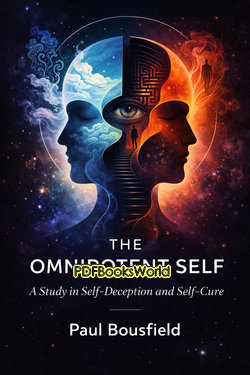
The omnipotent self, a study in self-deception and self-cure
by Paul Bousfield
An Exploration of the Mind's Power to Mislead and Heal Itself
The Omnipotent Self: A Study in Self-Deception and Self-Cure by Paul Bousfield is a thought-provoking work of psychology that examines the ways individuals perceive themselves, construct personal beliefs, and influence their own mental and emotional well-being. Combining psychological theory with practical observation, Bousfield investigates how self-deception can shape behavior and how greater self-understanding may contribute to personal growth and recovery.
The Concept of the "Omnipotent Self"
At the heart of the book is the idea that people often possess an exaggerated sense of control, importance, or certainty about themselves and the world around them. This "omnipotent self" may serve as a source of confidence, but it can also distort judgment and create barriers to honest self-examination.
Bousfield argues that understanding these tendencies is an essential step toward psychological health.
Major Topics Explored
- Self-Deception: The ways individuals misinterpret or conceal truths about themselves.
- Psychological Defense Mechanisms: Mental strategies used to avoid discomfort or conflict.
- Self-Knowledge: The importance of recognizing personal strengths and weaknesses.
- Emotional Well-Being: Factors that contribute to mental balance and resilience.
- Self-Cure: The potential for personal insight to support psychological improvement.
Understanding Self-Deception
Bousfield explores how people often create narratives that protect their self-image. These narratives may help reduce anxiety or preserve confidence, but they can also prevent individuals from confronting problems realistically. By examining these patterns, the author encourages readers to develop a more accurate understanding of their motivations and behavior.
The discussion highlights the complexity of human self-perception.
The Possibility of Self-Cure
A significant theme of the book is the belief that increased awareness can contribute to emotional and psychological improvement. While professional assistance may be valuable in many circumstances, Bousfield emphasizes the role individuals can play in recognizing harmful patterns and fostering healthier attitudes.
This focus reflects early twentieth-century interest in self-development and mental health.
Paul Bousfield's Psychological Perspective
Paul Bousfield was known for writing about psychology in a manner accessible to general readers. His works sought to bridge the gap between academic theory and everyday experience. In this book, he combines psychological concepts with practical examples to help readers understand the workings of the mind.
His approachable style contributes to the book's enduring readability.
The Balance Between Confidence and Illusion
The author does not suggest that all forms of self-belief are harmful. Instead, he examines the delicate balance between healthy confidence and unrealistic self-perception. The challenge lies in maintaining optimism while remaining honest about one's limitations and responsibilities.
This balance remains a central concern in discussions of personal development today.
A Historical Contribution to Popular Psychology
The book reflects the growing public interest in psychology during the early twentieth century. Readers of the period were increasingly eager to understand the mind and apply psychological insights to everyday life. Bousfield's work belongs to this broader movement toward self-analysis and personal improvement.
As such, it offers both psychological insight and historical perspective.
Why the Book Remains Interesting
Questions about self-awareness, personal growth, and emotional well-being continue to resonate with modern readers. Although psychological theories have evolved since Bousfield's time, many of the issues he discusses remain relevant. The book encourages reflection on how individuals understand themselves and respond to life's challenges.
Its exploration of self-deception and self-improvement gives it lasting appeal.
A Thoughtful Study of Human Self-Understanding
The Omnipotent Self: A Study in Self-Deception and Self-Cure offers an engaging examination of the ways people think about themselves and shape their own psychological experiences. Through discussions of self-deception, awareness, and personal growth, Paul Bousfield invites readers to consider the strengths and limitations of the human mind. The work remains a noteworthy contribution to the history of popular psychology and the study of self-knowledge.
Similar Genres
About the Author
Paul Bousfield was a British physician, psychologist, lecturer, and author whose writings explored the relationship between the mind, personality, and human behavior. Combining medical knowledge with an interest in psychology and philosophy, he sought to explain how thoughts, emotions, and attitudes influence physical and mental well-being. Explore Paul Bousfield books to discover the author's life, literary career, and access notable works.