
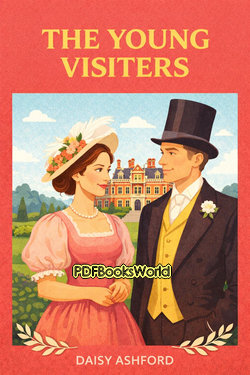
The Young Visiters or, Mr. Salteena's Plan
by Daisy Ashford
Childlike Humor and Accidental Brilliance in The Young Visiters
Few books in English literature are as unusual and unexpectedly charming as The Young Visiters or, Mr. Salteena's Plan. Written by Daisy Ashford when she was only nine years old, the novel became famous for its innocent humor, imaginative storytelling, and delightfully unconventional writing style.
Unlike polished literary works created by experienced authors, this novel captures the spontaneous imagination of childhood. The spelling mistakes, unusual descriptions, and awkward social observations became part of the book’s unique appeal rather than weaknesses.
The result is a humorous and strangely insightful portrait of upper-class society viewed through the eyes of a child.
The Story and Its Unusual Hero
The novel follows Mr. Salteena, a somewhat awkward and socially ambitious man who dreams of becoming part of fashionable high society. Wanting to improve his status and sophistication, he becomes involved in a series of humorous social situations and romantic misunderstandings.
As the story unfolds, readers encounter:
Social gatherings, upper-class manners, romance, ambition, comedy, friendship, and amusing misunderstandings.
The innocent perspective of the young author gives even ordinary situations an unintentionally funny quality.
Main Characters in the Novel
- Mr. Salteena – A kind but socially awkward man determined to improve his position in society.
- Ethel Monticue – A fashionable young woman connected to the romantic elements of the story.
- Bernard Clark – A stylish and confident aristocratic figure who influences Mr. Salteena’s ambitions.
- Various Society Guests – Characters who contribute to the novel’s humorous social atmosphere.
Major Themes in The Young Visiters
- Social Ambition – Mr. Salteena longs to become more refined and respected within high society.
- Humor and Innocence – Much of the comedy comes from the childlike perspective and unusual descriptions.
- Class and Manners – The story playfully reflects social expectations and upper-class behavior.
- Romance and Friendship – Relationships and emotional misunderstandings shape much of the narrative.
- Childhood Imagination – The novel captures the creativity and spontaneity of youthful storytelling.
The Extraordinary Story Behind the Book
Daisy Ashford wrote the novel in 1890 when she was still a child. For many years, the manuscript remained largely unknown until it was rediscovered later in her life and eventually published.
Readers and critics became fascinated not only by the story itself but also by the fact that it had been written by a nine-year-old author.
The original manuscript intentionally preserved:
Childlike spelling, unusual grammar, imaginative descriptions, and spontaneous storytelling.
These features became central to the book’s charm and literary identity.
Why Readers Found the Book So Funny
The humor of the novel often comes unintentionally from the contrast between sophisticated adult society and the innocent understanding of a child writer. Daisy Ashford attempts to describe romance, wealth, manners, and fashionable behavior using the imaginative logic of childhood.
This creates moments of accidental comedy that continue to entertain readers today.
The novel remains enjoyable because it:
Feels genuine, captures childhood creativity, presents gentle satire, and offers unusual humor unlike traditional comedy novels.
The Literary Reception of the Novel
When the book was published in the early twentieth century, it attracted enormous attention and became highly popular. Many readers appreciated its originality and playful charm.
Well-known literary figures admired the manuscript because of its honesty and imaginative energy.
The novel eventually became a cultural curiosity as well as a beloved comic work.
Daisy Ashford’s Unique Writing Style
The writing style is unlike almost any other novel because it reflects the unrestricted imagination of childhood. Sentences often move unpredictably, descriptions are highly unusual, and social situations are interpreted in amusing ways.
Instead of polished realism, the book offers spontaneity and personality.
This originality helped the novel remain memorable long after many more conventional works were forgotten.
Final Thoughts
The Young Visiters or, Mr. Salteena's Plan remains one of the most unusual and entertaining works in English literature. Through innocent humor, imaginative storytelling, and accidental satire, Daisy Ashford created a novel that continues to delight readers more than a century after its publication.
For readers interested in literary curiosities, humorous fiction, or charmingly unconventional storytelling, the book offers a reading experience unlike any other.
Similar Genres
About the Author
Daisy Ashford was an English writer whose extraordinary literary fame began in childhood. She wrote with remarkable imagination and natural humor, creating stories that captured the quirks of adult society through the fresh perspective of a young observer. Explore Daisy Ashford books to discover the author's life, literary career, and access notable works.