
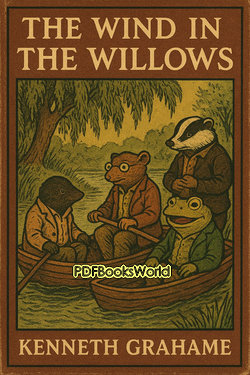
The Wind in the Willows
by Kenneth Grahame
Friendship, Adventure, and Nature in The Wind in the Willows
The Wind in the Willows by Kenneth Grahame is one of the most beloved classics of children’s literature. First published in 1908, the novel combines gentle humor, animal adventure, and lyrical descriptions of the countryside to create a timeless story about friendship, loyalty, and the comforts of home.
The book follows the adventures of Mole, Rat, Badger, and the reckless Mr. Toad as they explore rivers, forests, roads, and the English countryside. Although the novel is filled with lighthearted moments, it also explores deeper themes about change, responsibility, and the importance of companionship.
Why the Novel Continues to Charm Readers
Kenneth Grahame created a peaceful and imaginative world that appeals to both children and adults. The novel balances exciting adventures with reflective moments about nature, belonging, and personal growth.
Reasons Readers Still Love the Book
- Warm and memorable friendships
- Beautiful descriptions of nature
- Humorous and adventurous storytelling
- Charming animal characters
- Timeless emotional themes
The novel remains one of the defining works of classic children’s fiction.
The Friendship Between the Characters
The relationships between Mole, Rat, Badger, and Toad form the emotional heart of the story. Each character has a distinct personality that contributes to the group’s adventures and conflicts.
While Toad’s reckless behavior creates many problems, the loyalty and patience of his friends demonstrate the importance of forgiveness and companionship.
Readers interested in children’s literature and literary history can explore Britannica’s article on children’s literature.
Nature and the English Countryside
Nature plays a central role throughout the novel. Grahame’s descriptions of rivers, woods, seasons, and quiet country life create a calm and nostalgic atmosphere that has become one of the book’s most admired qualities.
The peaceful natural setting contrasts with the growing influence of modern machines and fast-paced change represented by roads, automobiles, and urban life.
Major Themes in the Novel
- Friendship and loyalty
- The beauty of nature
- Adventure and curiosity
- Responsibility and maturity
- Home, comfort, and belonging
Kenneth Grahame’s Writing Style
Kenneth Grahame combines gentle humor, poetic description, and imaginative storytelling throughout the novel. His writing shifts naturally between playful adventure and reflective passages about nature and emotion.
The balance between fantasy and emotional realism gives the story its lasting appeal across different generations of readers.
More about Kenneth Grahame’s literary life and influence can be found through Encyclopaedia Britannica’s biography of Kenneth Grahame.
The Novel’s Influence on Children’s Literature
The Wind in the Willows influenced later animal fantasy stories and children’s adventures through its memorable characters and imaginative world. The novel inspired numerous stage productions, films, television adaptations, and illustrated editions.
Its themes of friendship, nature, and personal growth continue to resonate with readers around the world.
Final Thoughts
The Wind in the Willows remains a timeless celebration of friendship, adventure, and the natural world. Kenneth Grahame created a gentle and imaginative literary classic that continues to delight readers through its warmth, humor, and unforgettable characters.
Similar Genres
About the Author
Kenneth Grahame was a Scottish author best known for creating one of the most beloved classics in children's literature. Before becoming a full-time writer, he worked in banking, but his true passion was storytelling. His books celebrate friendship, imagination, the beauty of the countryside, and the joys of simple living. Explore Kenneth Grahame books to discover the author's life, literary career, and access notable works.