
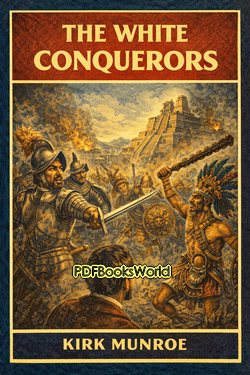
The White Conquerors
by Kirk Munroe
Snow, Survival, and Frontier Conflict in the Wilderness of the North
Frozen rivers become highways. Dog sleds replace carriages. Vast forests stretch across silent landscapes where survival depends on endurance, courage, and knowledge of the wilderness. In The White Conquerors, Kirk Munroe transports readers into the harsh northern frontier during the era of exploration, fur trading, and colonial rivalry in North America.
The novel combines historical adventure with wilderness storytelling, creating a fast-moving narrative shaped by danger, conflict, and the struggle to master an unforgiving environment.
A Frontier Ruled by Nature
Unlike stories set in crowded cities or civilized courts, this novel unfolds in territories where winter itself becomes one of the greatest enemies.
Travelers face blizzards, frozen lakes, hunger, exhaustion, and isolation. Movement through the wilderness requires practical skill and physical resilience.
Munroe emphasizes that survival depends not only on bravery, but also on cooperation, adaptability, and deep familiarity with the land.
What Drives the Adventure?
The story is built around exploration, competition, and the clash of different groups struggling for influence across northern territories.
- Fur traders and explorers seeking wealth and opportunity
- Dangerous journeys across snow-covered wilderness
- Military and colonial tensions shaping frontier life
- Encounters with Indigenous communities connected to survival and trade
These elements create a narrative filled with movement and constant uncertainty.
The Historical Background Behind the Novel
The White Conquerors reflects the period when European powers competed for control over northern regions of North America through trade networks, military influence, and territorial expansion.
The fur trade played a central role in this struggle, connecting remote wilderness regions with international markets.
Munroe uses this historical setting to explore how ambition, commerce, and survival shaped frontier society.
Modern readers may also recognize the colonial attitudes common in adventure fiction of the era.
The Wilderness as a Character
One of the novel’s greatest strengths is its vivid portrayal of the northern environment.
The forests, snowstorms, icy rivers, and endless winter landscapes feel alive throughout the narrative. Nature constantly influences decisions, creates obstacles, and tests the characters physically and emotionally.
The setting provides not only beauty, but also danger and isolation.
Kirk Munroe’s Adventure Style
Kirk Munroe writes with strong pacing and vivid action. His storytelling focuses on movement, survival, travel, and practical frontier detail.
Scenes involving sled journeys, wilderness camps, and dangerous weather conditions create excitement while grounding the story in physical realism.
The straightforward narrative style helped make Munroe popular among readers seeking energetic historical adventure.
Why The White Conquerors Still Appeals to Adventure Readers
The White Conquerors remains engaging because wilderness survival stories continue to fascinate modern audiences. The novel combines historical conflict with exploration and the timeless challenge of confronting nature at its harshest.
For readers interested in frontier fiction, northern exploration, historical adventure, and outdoor survival narratives, Kirk Munroe’s novel offers a dramatic journey through one of the most demanding landscapes in North American history.
Similar Genres
About the Author
Kirk Munroe was an American author and adventurer best known for writing exciting historical and outdoor adventure stories for young readers. His love of travel, exploration, and nature inspired many of his novels, which often combined real historical events with imaginative storytelling. Explore Kirk Munroe books to discover the author's life, literary career, and access notable works.