
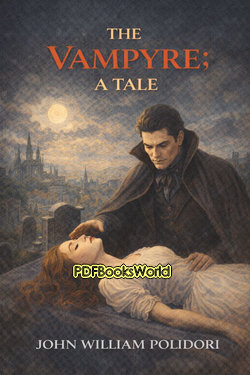
The Vampyre; a Tale
by John William Polidori
The Gothic Horror Story That Helped Shape the Modern Vampire Legend
Dark mystery, supernatural fear, and aristocratic danger fill the pages of The Vampyre; a Tale, one of the earliest and most influential vampire stories in English literature. Written by John William Polidori in the early nineteenth century, the tale introduced many of the vampire traits that later became famous in Gothic fiction and horror culture.
Long before modern vampire novels and films appeared, Polidori created a mysterious and elegant predator whose charm hides deadly intentions. The story helped transform the vampire from a traditional folklore creature into the sophisticated Gothic figure recognized by readers today.
Its influence can still be seen in countless horror stories, novels, and movies.
The Story’s Dark and Suspenseful Atmosphere
The tale follows a young Englishman named Aubrey who becomes fascinated by the mysterious Lord Ruthven, a wealthy and charismatic nobleman with strange behavior and a disturbing influence on those around him.
As Aubrey travels through Europe with Ruthven, he begins noticing a pattern of tragedy, death, and secrecy connected to his companion.
The story develops through:
Supernatural mystery, Gothic suspense, aristocratic intrigue, emotional manipulation, fear, death, and psychological tension.
Polidori gradually builds an atmosphere of dread as Aubrey uncovers the terrifying truth.
Main Characters in The Vampyre
- Lord Ruthven – A mysterious and charismatic nobleman whose dark secret drives the horror of the story.
- Aubrey – A young and idealistic traveler drawn into Ruthven’s dangerous world.
- Ianthe – A beautiful young Greek woman connected to local vampire legends and supernatural warnings.
- Various Victims and Society Figures – Characters affected by Ruthven’s disturbing presence and hidden nature.
Major Themes in the Tale
- The Danger Behind Charm – Ruthven’s elegance and social power conceal deadly intentions.
- Fear of the Supernatural – The story creates tension through mystery and unexplained events.
- Corruption and Innocence – Innocent characters become vulnerable to manipulation and destruction.
- Death and Immortality – The vampire figure represents both fear and fascination with eternal life.
- Psychological Obsession – Aubrey’s growing fear and emotional conflict shape much of the narrative tension.
The Birth of the Modern Literary Vampire
Before Polidori’s story, vampires in folklore were usually described as frightening monsters connected to superstition and rural legends. The Vampyre changed this image dramatically.
Lord Ruthven became one of the first vampire characters presented as:
Elegant, intelligent, aristocratic, socially powerful, mysterious, and emotionally manipulative.
This portrayal later influenced famous vampire figures such as Dracula and many modern Gothic villains.
The Gothic Style of the Story
The tale reflects the Gothic literary tradition popular during the nineteenth century. Gothic fiction often combined mystery, horror, romance, and supernatural elements within dark atmospheric settings.
Polidori uses dramatic locations, emotional tension, and growing psychological fear to maintain suspense.
The story’s eerie tone and sense of hidden danger remain effective even for modern readers.
The Connection to Lord Byron
An interesting part of the story’s history involves the famous poet Lord Byron. Polidori had traveled with Byron, and early readers believed the vampire character resembled Byron’s public image and personality.
Because of confusion during publication, the story was initially connected to Byron’s name before Polidori received proper recognition as the author.
This literary connection increased public interest in the tale during its early years.
Why The Vampyre Still Matters Today
Modern vampire fiction owes much to Polidori’s original concept. The idea of the sophisticated and seductive vampire later became central to Gothic horror and supernatural fiction.
Readers continue to appreciate the story because it:
Creates strong Gothic atmosphere, introduces influential vampire mythology, combines horror with psychological tension, and shaped the future of supernatural literature.
The tale remains an important milestone in horror fiction history.
Final Thoughts
The Vampyre; a Tale by John William Polidori remains one of the foundational works of vampire literature. Through suspenseful storytelling, Gothic atmosphere, and the unforgettable figure of Lord Ruthven, the story introduced ideas that transformed supernatural fiction forever.
For readers interested in Gothic horror, classic supernatural tales, and the origins of modern vampire fiction, the story continues to offer a fascinating and atmospheric reading experience.
Similar Genres
About the Author
John William Polidori was an English physician, writer, and one of the earliest pioneers of vampire fiction. Although his literary career was brief, he created a work that had a lasting influence on Gothic literature and the development of the modern vampire story. Explore John William Polidori books to discover the author's life, literary career, and access notable works.