
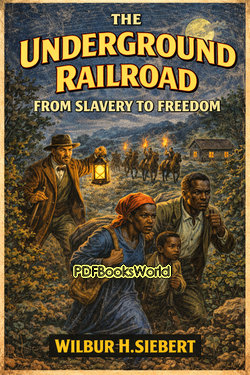
The Underground Railroad from Slavery to Freedom
by Wilbur H. Siebert
Escape, Resistance, and Courage in the Secret Struggle Against Slavery
Hidden routes through forests, coded messages, midnight journeys, safe houses, and extraordinary personal courage define the powerful historical world of The Underground Railroad from Slavery to Freedom: A Comprehensive History. The work examines the vast informal network that helped enslaved African Americans escape bondage in the United States before the Civil War, revealing a story of resistance, solidarity, sacrifice, and the pursuit of human freedom.
Far more than a single organization, the Underground Railroad functioned as a loosely connected system of individuals and communities determined to oppose slavery despite enormous personal risk.
A Secret Network of Escape and Assistance
The Underground Railroad relied upon cooperation between formerly enslaved people, abolitionists, free Black communities, religious activists, and ordinary citizens willing to provide shelter, guidance, transportation, or protection.
Escape routes often stretched across multiple states and sometimes extended into Canada, where slavery had been abolished.
Participants used secrecy, coded language, and carefully organized travel to avoid capture.
The danger remained constant for everyone involved.
Characters
The history of the Underground Railroad is shaped by remarkable individuals whose courage and determination challenged the institution of slavery.
- Enslaved men and women risked their lives seeking freedom through dangerous escape journeys.
- Abolitionists and conductors provided shelter, guidance, transportation, and protection.
- Free Black communities played central roles in organizing assistance and maintaining safe networks.
- Slave catchers and legal authorities represented the constant threat of capture and punishment.
The human stories within the movement reveal extraordinary endurance and moral conviction.
Themes
The history explores profound themes connected with freedom, justice, and resistance.
- The human desire for liberty and self-determination
- Courage in the face of oppression and violence
- Solidarity and cooperation across communities
- The moral struggle against slavery
- The conflict between unjust law and human conscience
The Underground Railroad became both practical resistance movement and powerful symbol of hope.
The Risks and Realities of Escape
Escaping slavery involved enormous physical and emotional danger. Travelers faced hunger, exposure, betrayal, violence, and the possibility of recapture.
Those assisting fugitives also risked imprisonment, financial penalties, or social persecution under laws protecting slaveholders’ interests.
The journey toward freedom therefore required immense courage from everyone involved.
The network survived through trust, secrecy, and determination.
The Historical Importance of the Underground Railroad
The Underground Railroad from Slavery to Freedom documents one of the most important resistance movements in American history. The network challenged slavery not only politically and morally, but also directly through action.
The movement demonstrated how ordinary individuals could cooperate against injustice despite legal and personal danger.
The history also highlights the central role African Americans themselves played in pursuing freedom and resisting oppression.
The Underground Railroad became an enduring symbol of moral courage and human dignity.
Why This History Still Matters
The Underground Railroad from Slavery to Freedom: A Comprehensive History remains deeply important because the history of slavery and resistance continues to shape understanding of freedom, justice, race, and human rights.
For readers interested in African American history, abolitionism, Civil War-era America, social justice movements, and stories of courage under oppression, this history offers a powerful and essential account of the struggle for freedom against one of history’s most brutal systems of human bondage.
Similar Genres
About the Author
Wilbur H. Siebert was an American historian, educator, and author whose pioneering research on the Underground Railroad established him as one of the foremost scholars of the subject. He devoted much of his academic career to preserving the stories of the people who risked their lives to help enslaved men, women, and children escape to freedom. Explore Wilbur H. Siebert books to discover the author's life, literary career, and access notable works.