
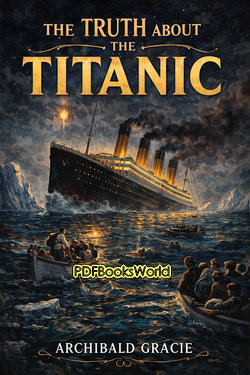
The Truth about the Titanic
by Archibald Gracie
A Firsthand Account of the Titanic Disaster
The Truth about the Titanic by Archibald Gracie is one of the most important eyewitness accounts of the sinking of the RMS Titanic. Written by a survivor of the disaster, the book provides a detailed narrative of the events that unfolded during the ship's final hours on the night of April 14–15, 1912. Gracie's account combines personal experience, careful observation, and later investigation, making it an invaluable historical document.
Unlike many later retellings, the book was written by someone who was actually present during the catastrophe. As a result, it offers readers a direct and compelling view of one of the most famous maritime disasters in history.
Aboard the Titanic
Archibald Gracie was a first-class passenger aboard the Titanic during its maiden voyage from Southampton to New York. He spent much of the journey observing life on the ship and interacting with fellow passengers. These experiences allowed him to provide detailed descriptions of conditions before the collision as well as the chaos that followed.
His observations help readers understand both the luxury of the vessel and the human drama that emerged when disaster struck.
Characters and Historical Figures
- Archibald Gracie: The author and survivor whose experiences form the foundation of the book.
- Edward J. Smith: The captain of the Titanic, responsible for the ship during its ill-fated voyage.
- J. Bruce Ismay: Chairman of the White Star Line and one of the most discussed figures associated with the disaster.
- Charles Lightoller: A senior officer whose actions during the evacuation became an important part of Titanic history.
- Numerous Passengers and Crew Members: Individuals whose courage, sacrifice, and experiences are recorded throughout the narrative.
The Night of the Disaster
One of the book's most gripping sections describes the hours following the collision with an iceberg. Gracie recounts the growing realization that the ship was doomed, the efforts to launch lifeboats, and the behavior of passengers and crew as they faced an increasingly desperate situation.
His account captures both the confusion and the bravery displayed during the evacuation.
Major Themes Found Throughout the Book
- Survival: The struggle to endure during a catastrophic event.
- Courage: Acts of heroism and self-sacrifice in times of crisis.
- Human Nature: The varied responses of individuals facing danger.
- Historical Memory: Preserving accurate accounts of significant events.
These themes help make the book more than a simple disaster narrative.
Eyewitness Testimony and Historical Value
Because Gracie survived the sinking, his testimony provides valuable evidence about what occurred during the final hours of the Titanic. He carefully documented conversations, actions, and observations, seeking to create a reliable record of the disaster.
Historians continue to regard the book as one of the most important primary sources related to the tragedy.
The Human Stories Behind the Headlines
Beyond the broader historical event, the book highlights the experiences of individual passengers and crew members. Stories of bravery, loss, leadership, and compassion emerge throughout the narrative, reminding readers that the disaster affected real people with hopes, families, and dreams.
This human dimension contributes greatly to the work's emotional impact.
Why Readers Continue to Appreciate the Book
- Firsthand Perspective: A survivor's account of the Titanic disaster.
- Historical Importance: One of the key primary sources on the sinking.
- Detailed Observations: Insight into life aboard the ship and the evacuation.
- Human Drama: Stories of courage, sacrifice, and survival.
Why The Truth about the Titanic Remains Worth Reading
The Truth about the Titanic remains one of the most significant and compelling accounts of the famous maritime disaster. Through his careful observations and personal experiences, Archibald Gracie preserves the details of a tragedy that continues to fascinate the world. The book offers both historical insight and a powerful reminder of human courage and vulnerability in the face of overwhelming circumstances.
Similar Genres
About the Author
Archibald Gracie was an American author, military historian, and one of the most notable survivors of the RMS Titanic disaster. His firsthand experiences aboard the ill-fated ship, combined with his dedication to careful research and historical accuracy, made him an important chronicler of one of the most significant maritime tragedies in history. Explore Archibald Gracie books to discover the author's life, literary career, and access notable works.