
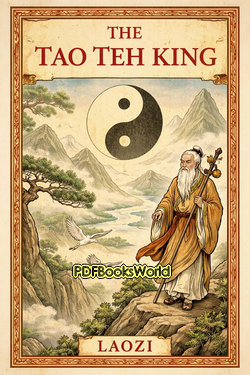
The Tao Teh King
by Laozi
Ancient Wisdom and Simple Living in The Tao Teh King
Few philosophical works have influenced world thought as deeply as The Tao Teh King, or the Tao and its Characteristics by Laozi. Written more than two thousand years ago, this short but powerful text became one of the foundational works of Taoist philosophy and continues to inspire readers seeking balance, wisdom, and inner peace.
Rather than focusing on power, wealth, or strict rules, the book encourages simplicity, harmony with nature, humility, and calm reflection. Its poetic style and timeless ideas have made it one of the most widely translated and widely studied philosophical texts in history.
Even modern readers often find its teachings surprisingly relevant in today’s fast-moving and stressful world.
The Meaning Behind the Tao
The central idea of the book is the “Tao,” often translated as “the Way.” Laozi describes the Tao as the natural order and underlying force that guides the universe. According to the text, people live more peacefully when they act in harmony with this natural flow instead of fighting against it.
The book teaches that excessive ambition, aggression, and desire often create suffering and imbalance.
Instead, Laozi promotes:
Simplicity, patience, humility, balance, self-control, compassion, and harmony with nature.
The teachings are presented through short poetic passages rather than long philosophical arguments.
Main Ideas Presented in the Book
- Living in Harmony – People should work with the natural flow of life rather than constantly struggling against it.
- Simplicity and Moderation – A simple and balanced life is often more fulfilling than endless ambition or material pursuit.
- Humility – Laozi praises modesty and warns against pride and arrogance.
- Non-Forceful Action – The concept of “wu wei” encourages calm and natural action instead of aggressive control.
- Inner Peace – True wisdom and strength come from self-awareness and emotional balance.
The Unique Writing Style of the Tao Teh King
One reason the book remains fascinating is its poetic and mysterious style. The passages are often brief, symbolic, and open to interpretation.
Rather than giving direct instructions, Laozi uses imagery and paradoxes to encourage reflection. Readers are often invited to think deeply about the meaning behind each statement.
The text frequently contrasts ideas such as:
Strength and softness, action and stillness, knowledge and simplicity, power and humility.
This reflective style allows readers to discover new meanings each time they revisit the book.
The Influence of Taoist Philosophy
The ideas in The Tao Teh King shaped Taoism, one of the major philosophical and spiritual traditions of China. Over time, its influence spread far beyond Chinese philosophy and affected literature, leadership theory, meditation practices, martial arts, and personal development.
Many readers are drawn to the book because it offers an alternative to constant competition and stress.
Its teachings continue to influence discussions about:
Mindfulness, leadership, balance, emotional health, spirituality, and sustainable living.
Why Modern Readers Still Connect With the Book
Modern life often feels fast, competitive, and overwhelming. The calm and reflective tone of The Tao Teh King offers a different perspective focused on balance and simplicity.
Readers frequently appreciate the book because it:
Encourages peaceful thinking, promotes emotional balance, questions excessive ambition, and offers timeless philosophical insight.
The simplicity of the language combined with the depth of the ideas gives the book lasting appeal.
Laozi and the Historical Mystery Around Him
Very little is known with certainty about Laozi himself. Historians continue to debate whether he was a single historical figure or whether the text evolved over time through multiple contributors.
Despite these uncertainties, the influence of the book remains enormous.
The teachings became central not only to Taoist philosophy but also to broader discussions about ethics, leadership, and human behavior.
Interesting Facts About the Book
The Tao Teh King is considered one of the most translated books in the world. Its short chapters have inspired philosophers, political leaders, artists, spiritual teachers, and writers for centuries. Many different translations exist because the original language is highly poetic and open to interpretation.
Final Thoughts
The Tao Teh King, or the Tao and its Characteristics by Laozi remains one of the world’s most influential philosophical texts. Through simple yet profound teachings, the book encourages readers to seek balance, humility, wisdom, and harmony with life itself.
For readers interested in philosophy, spirituality, mindfulness, or personal reflection, the work continues to offer timeless guidance and peaceful insight across generations.
Similar Genres
About the Author
Laozi was an ancient Chinese philosopher and sage traditionally regarded as the founder of Taoism and one of the most influential thinkers in world history. Although details of his life remain uncertain, his teachings have shaped Chinese philosophy, spirituality, ethics, and culture for more than two millennia. Explore Laozi books to discover the author's life, literary career, and access notable works.