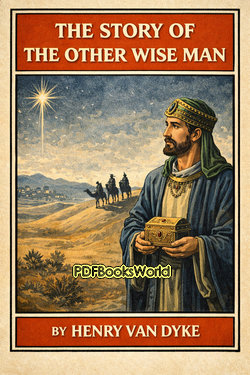
The Story of the Other Wise Man
by Henry Van Dyke
A Moving Tale of Kindness and Sacrifice in The Story of the Other Wise Man
The Story of the Other Wise Man by Henry Van Dyke is a touching Christmas story about compassion, generosity, and the lifelong search for spiritual meaning. First published in 1895, the novella reimagines the biblical journey of the Wise Men by introducing a fourth traveler whose path becomes very different from the others.
Blending faith, adventure, and emotional storytelling, the book remains a beloved holiday classic filled with warmth and humanity.
The Journey of Artaban
The story follows Artaban, a Persian scholar and astrologer who plans to join the three Wise Men traveling to honor the newborn Jesus.
Artaban carries valuable jewels intended as gifts, but his journey changes when he repeatedly stops to help people in need.
Because of these acts of kindness:
- He misses important opportunities
- His long search continues for many years
- He sacrifices wealth and comfort
- He devotes his life to helping others
Instead of reaching his destination quickly, Artaban spends his life serving suffering people wherever he travels.
Main Characters
- Artaban – A compassionate and thoughtful wise man whose kindness shapes his spiritual journey.
- The Three Wise Men – The travelers who continue toward Bethlehem while Artaban follows a different path.
- The People Artaban Helps – Individuals facing suffering, poverty, illness, and danger throughout his journey.
Major Themes in the Story
- Compassion and Generosity
The story emphasizes helping others as one of the highest forms of spiritual devotion. - Sacrifice and Service
Artaban repeatedly gives up personal goals and valuable possessions to aid people in need. - Faith and Spiritual Meaning
The novella explores the idea that true faith is expressed through kindness and mercy. - The Value of Human Kindness
Small acts of compassion become more important than wealth or status throughout the story.
Henry Van Dyke’s Warm Storytelling Style
Henry Van Dyke writes with simplicity, emotional warmth, and gentle spiritual reflection.
His storytelling style includes:
- Clear and graceful language
- Emotional sincerity
- Symbolic spiritual themes
- Atmospheric descriptions
- Hopeful and uplifting tone
The novella balances religious themes with human emotion, making it meaningful for a wide range of readers.
Why the Story Remains Popular
The Story of the Other Wise Man continues to touch readers because of its timeless message about kindness and selflessness.
Many readers connect with the idea that:
True greatness is found not in wealth or recognition, but in compassion, sacrifice, and helping others during times of need.
The story’s emotional warmth also makes it especially popular during the Christmas season.
A Different Kind of Christmas Story
Unlike many holiday stories focused mainly on celebration and joy, this novella places greater attention on spiritual growth and human suffering.
Artaban’s long journey becomes a symbol of:
- Personal faith
- Patience and endurance
- Moral responsibility
- The search for purpose
This deeper emotional and spiritual focus gives the story lasting significance.
Who Should Read This Book?
The Story of the Other Wise Man is ideal for readers interested in:
Inspirational fiction, Christmas literature, spiritual storytelling, classic novellas, and emotionally uplifting stories.
Its gentle style and meaningful themes make it suitable for both younger and adult readers.
Final Thoughts
The Story of the Other Wise Man by Henry Van Dyke is a beautiful and heartfelt tale about compassion, sacrifice, and the deeper meaning of faith.
Through Artaban’s lifelong journey of helping others, the novella reminds readers that acts of kindness can hold greater value than material gifts or worldly success. Warm, thoughtful, and emotionally moving, the story continues to inspire readers generation after generation.
Similar Genres
About the Author
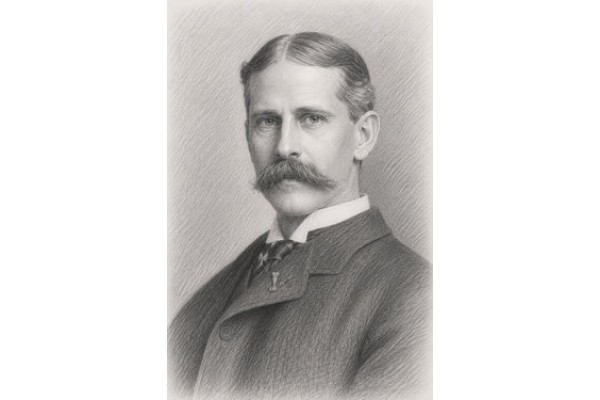
Henry Van Dyke was an American author, poet, clergyman, educator, and diplomat whose inspirational writings earned him a cherished place in American literature. Born in Germantown, Pennsylvania, in 1852, Van Dyke combined a distinguished career as a Presbyterian minister and professor at Princeton University with a lifelong passion for writing. Explore Henry Van Dyke books to discover the author's life, literary career, and access notable works, including The Lost Word , and more.