
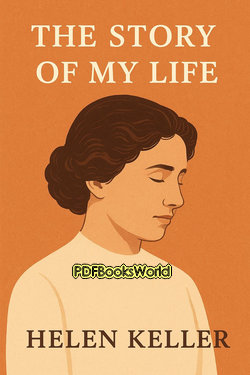
The Story of My Life
by Helen Keller
Courage, Education, and Determination in The Story of My Life
The Story of My Life by Helen Keller is one of the most inspiring autobiographies in modern literature. First published in 1903, the book tells the remarkable story of Keller’s early life, including the challenges she faced after losing both her sight and hearing as a child.
Through perseverance, education, and the guidance of her teacher Anne Sullivan, Helen Keller learned to communicate with the world around her and eventually became a writer, speaker, and advocate for people with disabilities.
Why the Book Continues to Inspire Readers
Helen Keller’s autobiography remains powerful because it combines emotional honesty with a message of hope and determination. Her story demonstrates the importance of education, patience, and human resilience.
Reasons Readers Continue to Admire the Book
- Inspirational true-life experiences
- Powerful message about perseverance
- Importance of education and communication
- Emotional and personal storytelling
- Historical significance in disability advocacy
The book remains one of the most widely read autobiographies in American literature.
Helen Keller’s Early Challenges
After an illness in early childhood left her deaf and blind, Helen Keller struggled to communicate and understand the world around her. Her frustration often led to emotional outbursts and isolation.
The arrival of Anne Sullivan changed her life completely. Through patience and innovative teaching methods, Sullivan helped Keller connect words with objects and ideas, opening the door to language and education.
Readers interested in autobiographical literature and personal narratives can explore Britannica’s article on autobiography.
The Importance of Education and Communication
One of the most memorable moments in the book occurs when Helen Keller understands the meaning of language for the first time while learning the word “water.” This breakthrough transforms her relationship with the world and begins her intellectual growth.
The autobiography highlights the importance of communication, learning, and human connection in overcoming barriers.
Major Themes in the Book
- Perseverance and determination
- The power of education
- Communication and understanding
- Friendship and mentorship
- Human resilience and hope
Helen Keller’s Writing Style
Helen Keller writes with clarity, sincerity, and emotional depth. Her descriptions of learning, discovery, and personal struggle create a deeply moving reading experience.
The book balances intellectual reflection with personal storytelling, making it both educational and inspiring.
More about Helen Keller’s life and achievements can be found through Encyclopaedia Britannica’s biography of Helen Keller.
The Book’s Influence and Legacy
The Story of My Life became an international symbol of courage and determination. Helen Keller’s achievements challenged public assumptions about disability and inspired educational reform and advocacy around the world.
Her life story continues to influence readers, educators, and social activists through its message of persistence and human potential.
Readers interested in disability history and social progress can also visit History.com’s overview of Helen Keller’s life.
Final Thoughts
The Story of My Life remains a timeless autobiography because of its honesty, emotional strength, and inspiring message. Helen Keller transformed personal hardship into a story of courage, education, and hope that continues to encourage readers across generations.
Similar Genres
About the Author
Helen Keller was an American author, educator, lecturer, and humanitarian whose extraordinary life became a symbol of courage, perseverance, and the triumph of the human spirit. Born in Alabama in 1880, Keller lost both her sight and hearing at the age of nineteen months due to illness. Explore Helen Keller books to discover the author's life, literary career, and access notable works.