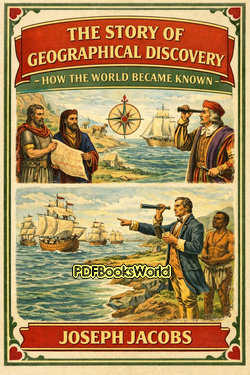
The Story of Geographical Discovery - How the World Became Known
by Joseph Jacobs
The Story of Geographical Discovery: How Explorers Changed the World
Human history is filled with journeys into the unknown. Long before airplanes, satellites, and GPS technology existed, explorers crossed dangerous oceans, climbed mountains, and traveled through deserts to learn more about the world. The Story of Geographical Discovery: How the World Became Known by Joseph Jacobs tells the fascinating story of how people gradually mapped the Earth and expanded human knowledge through exploration.
Written in a clear and educational style, the book introduces readers to famous explorers, ancient maps, sea voyages, and the development of geographical understanding. Instead of focusing only on dates and locations, the author explains how curiosity and courage helped transform the world.
A Book About Exploration and Discovery
The book follows the growth of geographical knowledge from ancient times to the great age of exploration. Readers learn how civilizations slowly discovered new lands and improved their understanding of the planet.
The book discusses topics such as:
- Ancient mapmaking
- Early sea travel
- Famous explorers
- Trade routes
- Discoveries of continents
- Navigation techniques
Each chapter explains how geographical discoveries influenced societies, trade, science, and communication.
Why Geographical Discovery Was Important
Today, people can view almost any location on Earth through digital maps and satellite images. In earlier centuries, however, large parts of the world remained unknown.
Expanding Human Knowledge
Explorers helped people understand the size, shape, and diversity of the world. Their journeys corrected mistakes in old maps and introduced new information about distant lands.
Improving Trade and Communication
As trade routes expanded, countries gained access to new goods, ideas, and technologies. Exploration connected civilizations that had previously known little about each other.
Encouraging Scientific Progress
Navigation, astronomy, and cartography all improved because explorers needed better ways to travel and map unfamiliar regions.
Famous Explorers Featured in the Book
One of the most interesting parts of the book is its discussion of important explorers and their achievements.
Explorers Faced Difficult Challenges
Travel during earlier centuries was extremely dangerous. Explorers often dealt with:
- Storms at sea
- Limited food and supplies
- Illness and disease
- Unknown environments
- Difficult navigation
- Long and exhausting journeys
Despite these obstacles, many explorers continued their expeditions in search of new trade routes and discoveries.
The Importance of Sea Voyages
Ships played a major role in geographical discovery. Many important explorations took place across oceans that were poorly understood at the time.
The book explains how advancements in navigation and shipbuilding helped explorers travel farther than ever before.
How Maps Changed Over Time
Maps are one of the central themes throughout the book. Early maps were often incomplete and inaccurate because people lacked information about distant regions.
Early Mapmaking
Ancient civilizations created maps based on limited travel and observation. Some maps included errors, imaginary locations, or incomplete coastlines.
Better Knowledge Through Exploration
As explorers traveled to new areas, mapmakers updated geographical information and improved accuracy.
This gradual process helped create the detailed world maps people use today.
Educational Value for Modern Readers
Although the book was written many years ago, it still offers useful educational content for students and general readers.
Easy-to-Understand Writing Style
Joseph Jacobs explains historical and geographical ideas using simple language that is accessible for beginners.
The book can be useful for:
- Students studying geography
- Homeschool learning
- History enthusiasts
- Readers interested in exploration
- Educational reading programs
Combining History and Geography
The work connects geography with historical events, helping readers understand how exploration influenced politics, trade, and cultural exchange.
Why Exploration Stories Still Inspire Readers
Exploration remains exciting because it represents human curiosity and determination. Stories of discovery encourage readers to think about adventure, science, and the desire to understand the unknown.
Curiosity Drives Progress
The book repeatedly shows that curiosity helped humans push beyond familiar boundaries and discover new opportunities.
Learning About Different Cultures
Exploration introduced civilizations to new ideas, traditions, and environments. This exchange shaped global history in important ways.
Respect for Historical Achievement
Modern travel is far easier than the dangerous journeys completed by early explorers. Reading about these expeditions helps readers appreciate the determination and bravery required during earlier centuries.
Lessons Readers Can Take From the Book
Several important lessons appear throughout the book:
- Knowledge grows over time
- Exploration requires courage
- Curiosity can lead to discovery
- Maps are powerful learning tools
- Human progress often depends on observation and travel
These ideas continue to remain relevant in modern education and scientific learning.
Final Thoughts
The Story of Geographical Discovery: How the World Became Known by Joseph Jacobs remains an engaging introduction to the history of exploration and mapmaking. Through clear storytelling and educational insight, the book explains how explorers gradually revealed the shape of the world and expanded human understanding.
For readers interested in geography, world history, exploration, and classic educational literature, this book continues to offer a fascinating look at how humanity transformed the unknown into the known.
Similar Genres
About the Author
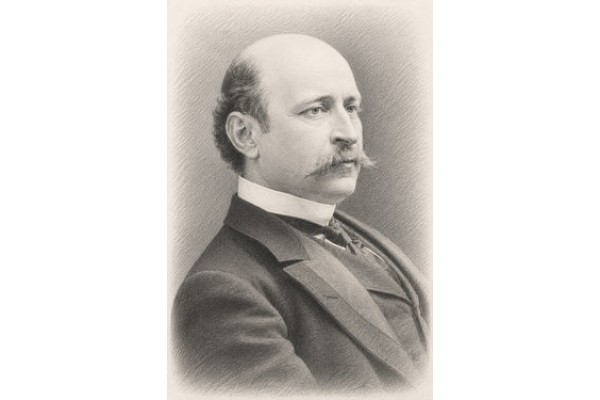
Joseph Jacobs was an Australian-born folklorist, historian, and literary scholar whose work preserved some of the world's most cherished fairy tales and traditional stories. Born in Sydney in 1854, Jacobs later moved to England, where he devoted his career to collecting, translating, and retelling folk tales from Britain and beyond. Explore Joseph Jacobs books to discover the author's life, literary career, and access notable works, including Celtic Fairy Tales, English Fairy Tales , and more.