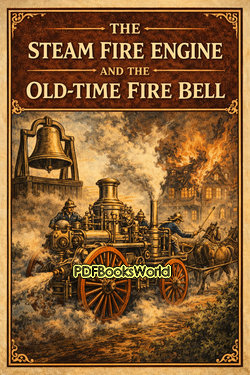
The Steam Fire Engine and the Old-time Fire Bell
by Anonymous
Firefighting Technology and Community Protection in Earlier America
The Steam Fire Engine and the Old-time Fire Bell by Anonymous is a historical and technological account exploring the development of firefighting equipment and the important role of fire protection within growing towns and cities. The work examines how steam-powered fire engines and traditional alarm bells transformed emergency response during the nineteenth century, improving public safety while symbolizing civic organization and industrial progress.
The narrative presents firefighting not merely as dangerous labor, but as an essential public service shaped by courage, technology, and community cooperation.
The Rise of the Steam Fire Engine
The book describes the transition from manual firefighting methods to the use of powerful steam fire engines capable of pumping large quantities of water more efficiently during emergencies. Earlier hand-operated systems required enormous physical effort and often struggled against rapidly spreading urban fires.
Steam-powered engines represented a major technological advancement, allowing firefighters to respond more effectively to disasters threatening homes, businesses, and public buildings. Communities increasingly viewed modern firefighting equipment as a symbol of civic progress and public responsibility.
Rather than focusing only upon machinery, the work also emphasizes the bravery and discipline of firefighters working under dangerous conditions.
The Sound of the Old-time Fire Bell
A major theme throughout the account is the importance of the old-fashioned fire bell as a warning system before modern communication technology existed. The ringing bell alerted entire communities to danger, calling both firefighters and citizens into immediate action.
The work reflects how closely communities depended upon shared public response during emergencies. Fire bells became emotional symbols associated with urgency, fear, cooperation, and civic duty.
At the same time, the narrative highlights the rapid industrial and technological changes reshaping urban life during the nineteenth century.
This combination of technological history and social memory gives the work lasting historical charm.
Historical and Technological Themes Explored Throughout the Work
- Steam Technology and Innovation: Mechanical engines improved firefighting efficiency and public safety.
- Urban Growth and Fire Risk: Expanding towns required organized emergency protection.
- Community Cooperation: Citizens and firefighters depended upon shared civic responsibility.
- Industrial Progress: New machinery transformed public services and city life.
- Public Alarm and Communication: Fire bells served as vital emergency warning systems.
The Work’s Historical Narrative Style
The Steam Fire Engine and the Old-time Fire Bell uses a direct and informative style focused upon technological change, public safety, and historical reflection. The anonymous author combines practical description with admiration for the courage and organization connected with firefighting services.
The work consistently presents firefighting history as an important part of urban and industrial development.
Why the Book Still Holds Historical Interest
Modern readers continue finding The Steam Fire Engine and the Old-time Fire Bell valuable because it preserves insight into the evolution of emergency services and technological innovation during the industrial age. The account also reflects the importance of public cooperation and civic responsibility in protecting growing communities.
Its themes of engineering, firefighting history, industrial progress, public safety, and community organization continue appealing to readers interested in technological history, transportation, urban studies, and nineteenth-century civic life.