
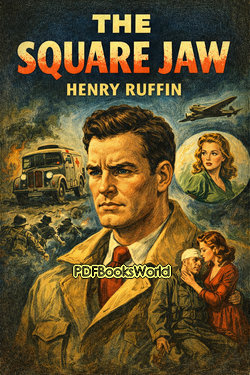
The Square Jaw
by Henry Ruffin
Determination, Courage, and Hardship in a Story of Character and Perseverance
Physical toughness, personal pride, difficult choices, and the struggle to endure adversity shape the rugged atmosphere of The Square Jaw by Henry Ruffin. The title itself immediately suggests firmness, stubborn resolve, and the image of someone capable of facing hardship without surrender.
Like many early adventure and character-driven stories, the novel focuses not only on external events, but also on the moral and emotional qualities that define strength under pressure.
A Hero Defined by Resilience
The central figure is marked by determination and persistence rather than elegance or privilege. Challenges arise that test endurance, loyalty, judgment, and personal courage.
The story portrays strength not simply as physical ability, but as the capacity to remain steady during uncertainty and conflict.
The protagonist’s “square jaw” becomes symbolic of inner resolve and unwillingness to yield to fear or defeat.
This emphasis on character gives the narrative much of its emotional force.
Characters
The novel’s cast reflects different responses to hardship, ambition, and personal responsibility.
- The central protagonist represents discipline, persistence, and practical courage.
- Supporting figures may challenge, assist, or test the hero’s judgment and moral strength.
- Opponents and rivals often embody selfishness, dishonesty, or reckless behavior.
- Allies contribute friendship, loyalty, or guidance during moments of danger and uncertainty.
The interactions between characters help shape the story’s moral and emotional conflicts.
Themes
The novel explores ideas connected with resilience, integrity, and the demands of difficult circumstances.
- Perseverance during adversity
- The importance of courage and self-control
- The relationship between reputation and personal honor
- The value of loyalty and honest effort
- The struggle between determination and discouragement
The narrative suggests that true strength emerges through action and endurance rather than appearance alone.
Adventure and Moral Conflict
Although action and conflict drive the story forward, the deeper focus remains on how individuals respond when confronted by pressure or temptation.
Success depends not only on physical ability, but also on judgment, discipline, and moral stability.
The story therefore combines adventure with lessons about personal character and responsibility.
This mixture was especially common in early twentieth-century popular fiction.
The Writing Style of Henry Ruffin
Ruffin writes with directness and narrative momentum, emphasizing action, dialogue, and practical realism. The prose remains accessible while maintaining emotional seriousness.
The storytelling focuses on movement and conflict without losing sight of the characters’ inner struggles.
The straightforward style reinforces the novel’s themes of toughness and endurance.
Why The Square Jaw Still Appeals to Readers
The Square Jaw continues to resonate because stories about resilience, courage, and perseverance remain universally appealing. Readers continue to admire characters who confront hardship with determination and integrity.
For readers interested in classic adventure fiction, character-centered storytelling, moral drama, and narratives emphasizing endurance and personal strength, Henry Ruffin’s novel offers a solid and engaging portrait of courage tested through adversity.
Similar Genres
About the Author
Henry Ruffin was an American novelist whose adventure stories captured the imagination of young readers through fast-paced plots, memorable characters, and inspiring themes of courage and determination. Writing during the early twentieth century, he specialized in stories that celebrated perseverance, honesty, and personal growth while providing exciting entertainment. Explore Henry Ruffin books to discover the author's life, literary career, and access notable works.