
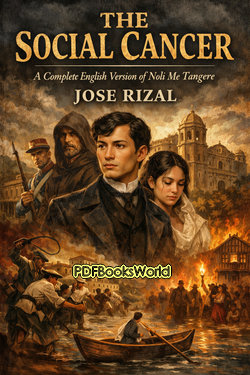
The Social Cancer - A Complete English Version of Noli Me Tangere
by Jose Rizal
A Powerful Novel About Oppression, Injustice, and the Struggle for National Identity
The Social Cancer: A Complete English Version of Noli Me Tangere by José Rizal is one of the most important novels in Philippine literature and history. First published in 1887, the novel exposed corruption, abuse of power, and social inequality in the Philippines during Spanish colonial rule.
The story follows Crisóstomo Ibarra, a young Filipino returning home after studying in Europe, only to discover the injustice and oppression affecting his country and people. Through emotional storytelling and sharp social criticism, Rizal created a landmark work in Philippine and anti-colonial literature.
About the Author
José Rizal was a Filipino writer, physician, reformer, and national hero who advocated peaceful political reform and greater rights for Filipinos under colonial rule.
Rizal’s writings inspired intellectual and nationalist movements that later contributed to the Philippine struggle for independence. His courage and ideas made him one of the most respected figures in Philippine history.
Main Themes of the Novel
The novel examines the effects of colonial oppression, corruption, religious abuse, and social inequality on ordinary people and national identity.
Important Themes Discussed
- Colonialism and political oppression
- Social injustice and corruption
- Education and reform
- National identity and patriotism
Rizal also explores the emotional struggles of individuals trying to seek justice and progress within a deeply unequal society.
The Story of Crisóstomo Ibarra
After returning to the Philippines, Ibarra hopes to improve society through education and reform. However, he quickly encounters corruption, prejudice, and powerful figures determined to maintain control.
The novel presents a broad picture of colonial society, including the lives of priests, government officials, students, and ordinary citizens affected by injustice and fear.
What Makes the Novel Unique
- Powerful criticism of colonial rule and corruption
- Strong emotional and political themes
- Major influence on Philippine nationalism
Writing Style
Rizal’s writing style is emotional, realistic, and socially engaged. He combines satire, romance, tragedy, and political commentary to create a vivid portrayal of colonial society.
The detailed characters and dramatic conflicts help readers understand both personal suffering and broader social problems.
Historical Importance
Noli Me Tangere, translated as The Social Cancer, became one of the defining works in the history of Philippine history and reform movements. The novel inspired nationalist thinking and encouraged calls for justice and social change.
Historical Features
- Exposure of abuses during Spanish colonial rule
- Influence on Filipino nationalism and reform
- Major contribution to Southeast Asian literature
The novel also remains a symbol of intellectual resistance and the fight for dignity and freedom.
Lessons for Modern Readers
Modern readers continue to study the novel because its themes of corruption, inequality, and social reform remain relevant in many societies today.
The story also encourages readers to value education, courage, and peaceful efforts toward justice and national progress.
Conclusion
The Social Cancer: A Complete English Version of Noli Me Tangere by José Rizal remains a powerful and influential literary masterpiece. Through emotional storytelling and fearless social criticism, Rizal created a timeless novel about oppression, reform, and the enduring struggle for freedom and human dignity.
Similar Genres
About the Author
Jose Rizal was a Filipino novelist, physician, scholar, and national hero whose writings played a vital role in awakening national consciousness in the Philippines. A man of remarkable intellect, he excelled in medicine, literature, languages, and the sciences while using his talents to advocate for peaceful reform and social justice. Explore Jose Rizal books to discover the author's life, literary career, and access notable works.