
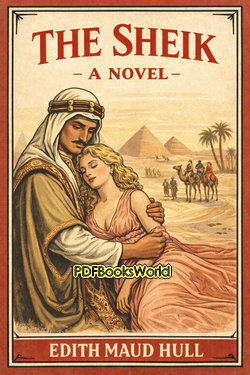
The Sheik - A Novel
by Edith Maud Hull
Passion, Adventure, and Desert Romance in One of the Era’s Most Controversial Bestsellers
Burning deserts, mysterious horsemen, dangerous attraction, and emotional conflict dominate the dramatic world of The Sheik: A Novel by Edith Maud Hull. Published in the early twentieth century, the novel became an international sensation, helping define the popular “desert romance” genre while also provoking debate because of its intense themes of power, captivity, desire, and cultural fantasy.
The book combined romance, adventure, and exotic atmosphere in ways that captivated readers of its time.
An Unconventional and Defiant Heroine
The story follows Diana Mayo, an independent Englishwoman traveling across North Africa. Strong-willed and adventurous, Diana rejects many of the social expectations traditionally placed upon women of her era.
Her confidence and determination initially seem to place her firmly in control of her own life.
Everything changes when she encounters the mysterious Sheik Ahmed Ben Hassan, whose authority, intensity, and emotional power quickly transform the direction of the story.
Romance Mixed With Danger and Conflict
Unlike gentle drawing-room romances, the novel thrives on emotional tension and dramatic extremes.
Readers encounter:
- Desert journeys through harsh and beautiful landscapes
- Captivity and emotional struggle
- Intense romantic attraction complicated by fear and power
- Clashes between independence and emotional surrender
The atmosphere remains charged with danger and passion throughout.
The Desert as Fantasy and Symbol
The desert setting plays an enormous role in shaping the novel’s emotional tone. Vast empty landscapes create feelings of isolation, freedom, mystery, and emotional intensity.
The environment appears both seductive and threatening, reflecting the emotional uncertainty experienced by the characters.
The novel also reflects Western fascination with “exotic” Eastern settings common in popular fiction of the era.
Modern readers may recognize romanticized and colonial stereotypes within these portrayals.
The Cultural Phenomenon of The Sheik
The Sheik became one of the most commercially successful romances of its period and inspired films, imitators, and broader popular fascination with desert adventure narratives.
The story’s combination of forbidden attraction, emotional intensity, and exotic atmosphere strongly influenced later romantic fiction.
Its popularity demonstrated how powerfully escapist fantasy and dramatic romance appealed to mass audiences.
The Writing Style of Edith Maud Hull
Hull writes with emotional directness and dramatic pacing. The prose emphasizes mood, attraction, conflict, and sensory atmosphere rather than subtle realism.
Descriptions of the desert, clothing, travel, and emotional confrontation help create the novel’s vivid romantic intensity.
The storytelling remains highly focused on emotional momentum and suspense.
Why The Sheik Still Holds Literary Interest
The Sheik: A Novel remains significant because it reveals changing attitudes toward romance, gender, fantasy, and popular fiction during the early twentieth century.
For readers interested in classic romance, literary history, desert adventure fiction, and culturally influential bestsellers, Edith Maud Hull’s novel offers a dramatic and controversial glimpse into one of the era’s most famous romantic fantasies.
Similar Genres
About the Author
Edith Maud Hull was an English novelist whose romantic adventure stories became international bestsellers during the early twentieth century. She gained worldwide fame through her imaginative novels set against the dramatic landscapes of North Africa and the Middle East, where romance, mystery, and adventure blended into unforgettable stories. Explore Edith Maud Hull books to discover the author's life, literary career, and access notable works.