
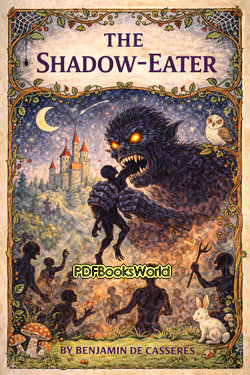
The Shadow-Eater
by Benjamin De Casseres
A Dark and Symbolic Tale of Fear, Desire, and the Human Soul
The Shadow-Eater by Benjamin De Casseres is a strange and atmospheric work blending psychological symbolism, philosophical reflection, and dark imaginative storytelling. The title itself evokes mystery and unease, suggesting a force or figure capable of consuming not merely physical substance, but the hidden and intangible aspects of human existence.
Known for his unconventional and intellectually provocative writing, Benjamin De Casseres often explored themes of individuality, existential struggle, fear, and spiritual conflict. In this work, shadow becomes both a literal and symbolic image connected to identity, desire, mortality, or inner darkness.
The story combines Gothic atmosphere with philosophical and psychological intensity.
A Mysterious Force of Darkness and Consumption
The narrative centers on the appearance or influence of a strange being, idea, or symbolic presence associated with consuming shadows. This eerie concept creates emotional tension and philosophical uncertainty as characters confront fear and hidden aspects of themselves.
The “shadow-eater” may represent destructive desire, spiritual emptiness, death, psychological obsession, or the darker side of human consciousness. Reality and symbolism merge as the story moves deeper into emotional and intellectual darkness.
The atmosphere becomes increasingly dreamlike and unsettling, emphasizing mystery over simple explanation.
The Philosophical Style of Benjamin De Casseres
Benjamin De Casseres writes in a highly expressive and symbolic style filled with dramatic imagery, abstract ideas, and emotional intensity. His prose often combines literary experimentation with philosophical reflection.
The language creates a sense of unease and intellectual challenge while encouraging interpretation beyond the surface narrative.
De Casseres’s unique voice gives the work psychological depth and symbolic richness.
Main Themes and Symbolic Ideas
The story explores themes of fear, mortality, desire, identity, spiritual emptiness, psychological conflict, and humanity’s confrontation with hidden inner darkness. It also reflects philosophical questions about existence and the subconscious mind.
Through symbolic imagery and Gothic tension, the narrative examines how unseen emotional and spiritual forces shape human experience.
Why the Story Still Holds Appeal
The Shadow-Eater remains intriguing because readers continue to enjoy symbolic and psychologically charged fiction exploring mystery and existential fear. The unusual imagery and philosophical atmosphere give the work lasting fascination.
Readers interested in Gothic literature and experimental psychological fiction often appreciate De Casseres’s imaginative and intellectually provocative style.
Its eerie symbolism and emotional intensity continue to make the story memorable.
The Lasting Fascination With Symbolic Dark Fiction
Dark symbolic fiction became especially influential during the late nineteenth and early twentieth centuries as writers explored psychology, existential philosophy, and subconscious fear through imaginative narrative forms.
Writers like Benjamin De Casseres used strange imagery and abstract symbolism to examine human consciousness and emotional conflict beyond ordinary realism.
The continuing fascination with psychological mystery and symbolic storytelling helps preserve interest in works like this.
Final Thoughts
The Shadow-Eater by Benjamin De Casseres is a haunting and intellectually provocative work exploring fear, identity, and the darker dimensions of human consciousness. Through symbolic imagery and Gothic atmosphere, the story creates a disturbing yet compelling meditation on inner darkness and existential uncertainty.
For readers interested in philosophical fiction, Gothic symbolism, and psychologically intense storytelling, this work remains both unsettling and fascinating.
Similar Genres
About the Author
Benjamin De Casseres was an American essayist, poet, journalist, philosopher, and literary critic whose bold imagination and independent thinking made him one of the most distinctive literary voices of the early twentieth century. Renowned for his expressive prose and unconventional ideas, De Casseres explored subjects ranging from philosophy and politics to art, psychology, and the supernatural. Explore Benjamin De Casseres books to discover the author's life, literary career, and access notable works.