
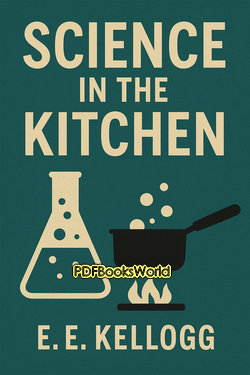
Science in the Kitchen
by E. E. Kellogg
Nutrition, Health, and Cooking in Science in the Kitchen
Science in the Kitchen by E. E. Kellogg is a fascinating blend of cookbook, health guide, and nutritional philosophy. First published in the late nineteenth century, the book promotes healthy eating, careful food preparation, and scientific approaches to nutrition during a period when interest in public health and diet reform was rapidly growing.
The work includes recipes, dietary advice, cooking techniques, and discussions about digestion and hygiene. Kellogg aimed to encourage healthier lifestyles by connecting food preparation with physical well-being and scientific understanding.
Why the Book Remains Historically Interesting
The book reflects changing attitudes toward nutrition, hygiene, and preventive health during the Victorian era. It also helped popularize ideas about vegetarian diets, balanced meals, and the importance of careful food preparation.
Reasons Readers Continue to Explore the Book
- Historical perspective on nutrition and diet
- Traditional vegetarian and health-focused recipes
- Connection between cooking and wellness
- Insight into nineteenth-century health reform
- Influence on modern dietary thinking
The work remains an important example of early health and nutrition literature.
Food and Health Reform
E. E. Kellogg believed that proper nutrition played a major role in physical and mental well-being. The book encourages simple, wholesome foods while discouraging excessive richness, unhealthy habits, and poor dietary practices.
These ideas reflected broader health reform movements of the nineteenth century, which promoted exercise, sanitation, moderation, and preventive care.
Readers interested in the history of nutrition and food science can explore Smithsonian Magazine’s history of nutrition science.
Cooking as Science
The book presents cooking as a careful and scientific process rather than simply a domestic activity. Kellogg discusses digestion, food combinations, preparation methods, and cleanliness in ways designed to improve health outcomes.
This scientific approach reflected growing public interest in medicine, hygiene, and modern nutritional knowledge during the late nineteenth century.
Major Themes in the Book
- Nutrition and healthy living
- Scientific approaches to cooking
- Vegetarian and plant-based diets
- Hygiene and food preparation
- Health reform and preventive care
E. E. Kellogg’s Influence on Health and Diet
E. E. Kellogg became associated with broader health reform movements that emphasized lifestyle, nutrition, and physical wellness. His work helped encourage public interest in dietary education and healthier eating habits.
The popularity of books like Science in the Kitchen demonstrated how strongly food and health became connected in public discussion during the period.
More about the history of public health and nutrition can be found through The National Center for Biotechnology Information’s history of nutrition science.
The Book’s Legacy in Food and Wellness Writing
Science in the Kitchen influenced later cookbooks and health guides that combined nutrition with practical cooking advice. Many modern discussions about balanced diets, food quality, and wellness reflect concerns already present in Kellogg’s writing.
The book continues to interest readers because it combines culinary history with the early development of nutrition science.
Readers interested in the cultural history of food and wellness can also visit JSTOR Daily’s article on the origins of health food culture.
Final Thoughts
Science in the Kitchen remains an important historical work connecting food, health, and scientific thinking. Through recipes, nutritional advice, and practical instruction, E. E. Kellogg created a cookbook that reflects both the culinary traditions and health reform ideas of its time.
Similar Genres
About the Author
E. E. Kellogg, better known as Ella Ervilla Kellogg, was an American nutritionist, educator, home economist, and author whose pioneering work helped popularize healthy eating and scientific cookery. Born in Michigan in 1853, she worked closely with the Battle Creek Sanitarium, where she promoted wholesome diets, nutrition education, and hygienic food preparation. Explore E. E. Kellogg books to discover the author's life, literary career, and access notable works.