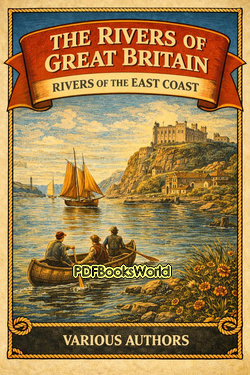
The Rivers of Great Britain - Rivers of the East Coast
by Various Authors
Exploring the Historic Waterways and Coastal Rivers of Eastern Britain
The Rivers of Great Britain: Rivers of the East Coast by Various Authors is a fascinating historical and geographical study of the rivers flowing along the eastern coast of Great Britain. Combining natural history, geography, commerce, travel, and local culture, the book examines how rivers shaped towns, industries, transportation, agriculture, and everyday life across centuries of British history.
The collection highlights the importance of waterways not only as natural features but also as essential parts of economic growth and regional identity.
The Importance of Rivers in British History
For generations, rivers served as vital transportation routes connecting inland communities with coastal ports and international trade. Before modern highways and railways became dominant, rivers allowed goods, people, and information to move efficiently across large distances.
The rivers along Britain’s east coast were especially important because they connected agricultural regions, industrial centers, fishing towns, and commercial ports with the North Sea and European markets.
These waterways supported trade, shipbuilding, farming, and urban development throughout British history.
The Natural Beauty of the East Coast Rivers
The book also celebrates the scenic beauty and changing landscapes surrounding these rivers. Readers encounter descriptions of peaceful countryside, marshlands, coastal villages, harbors, bridges, and historic towns shaped by nearby waterways.
The rivers pass through regions rich in both natural beauty and historical importance, creating landscapes that inspired travelers, artists, and writers.
The connection between geography and human settlement becomes a major focus throughout the work.
Main Subjects Explored in the Book
- The geography and course of important eastern rivers
- Trade, shipping, and river transportation
- The growth of towns and industries along waterways
- Fishing communities and coastal life
- The relationship between rivers and British history
These topics help readers understand the practical and cultural importance of rivers across the region.
Rivers and Industrial Development
Many eastern rivers became closely connected with Britain’s industrial growth. Factories, mills, docks, and shipyards often developed near waterways because rivers provided transportation, power, and access to trade routes.
The book examines how industrial expansion transformed both the economy and the environment of many river regions. Busy ports and commercial centers emerged around these waterways, helping Britain become a major maritime and industrial power.
At the same time, traditional rural communities continued to depend on rivers for farming, fishing, and local travel.
The Writing Style and Historical Value
The various authors combine descriptive travel writing with historical explanation and geographical observation. The style often feels reflective and informative, allowing readers to appreciate both the practical and scenic importance of the rivers.
The collection preserves valuable historical information about river life, transportation, and local communities during a period of significant economic and social change.
The mixture of natural description and historical detail gives the book lasting interest.
Why The Rivers of Great Britain Still Fascinates Readers
The Rivers of Great Britain: Rivers of the East Coast remains valuable because it reveals how waterways influenced trade, settlement, industry, and daily life throughout British history. The book also captures the enduring beauty and cultural importance of the rivers themselves.
For readers interested in geography, environmental history, British culture, transportation, and regional studies, this collection offers an engaging exploration of the waterways that helped shape the eastern coast of Great Britain.