
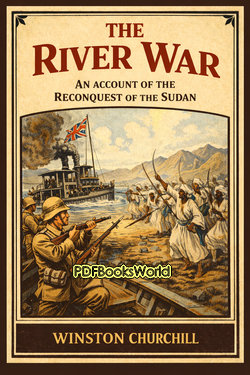
The River War (An Account of the Reconquest of the Sudan)
by Winston Churchill
Empire, Battle, and Political Ambition Along the Nile
Before becoming one of the twentieth century’s most famous political leaders, Winston Churchill served as a soldier, war correspondent, and ambitious young writer eager to document the dramatic military campaigns of the British Empire. The River War: An Account of the Reconquest of the Sudan combines military history, political commentary, travel narrative, and personal observation in a sweeping account of Britain’s campaign to reclaim Sudan during the late nineteenth century.
The book remains one of Churchill’s most significant early works and reveals both his literary talent and imperial worldview.
The Conflict Behind the Campaign
The narrative centers on Britain’s military effort to defeat the Mahdist state in Sudan following years of political instability and conflict along the Nile.
The campaign carried enormous strategic importance because control of Sudan affected trade routes, regional influence, and British imperial interests in northeastern Africa.
Churchill traces the historical background leading to the conflict, including the rise of the Mahdist movement and earlier military disasters suffered by British and Egyptian forces.
The river itself becomes a central symbol throughout the narrative, shaping transportation, communication, and military strategy.
Scenes of War and Imperial Expansion
The book moves through deserts, military camps, river expeditions, and large-scale battles.
- Army movements along the Nile supported by modern technology and river transport
- Descriptions of military leadership and battlefield tactics
- The famous Battle of Omdurman demonstrating the destructive power of industrial warfare
- Political discussions about empire and colonial administration
Churchill combines firsthand observation with broader historical analysis.
The Brutal Reality of Modern Warfare
One of the book’s most striking aspects is its depiction of technological warfare during the age of empire. Machine guns, artillery, railways, and organized logistics transformed combat into something far more deadly than earlier military campaigns.
Churchill often admires military efficiency and discipline, yet the scale of destruction also reveals the harsh imbalance between industrial armies and less technologically equipped opponents.
The book captures a moment when imperial expansion and modern warfare became deeply intertwined.
Churchill as Historian and Participant
Unlike historians writing from distance, Churchill participated directly in parts of the campaign as both soldier and correspondent.
This dual role gives the narrative unusual energy and immediacy. He describes landscapes, commanders, soldiers, and political figures with vivid detail and strong personal opinion.
At times the work reflects the imperial assumptions common among British writers of the era, which modern readers may approach critically.
The Writing Style of Winston Churchill
Churchill’s prose is dramatic, confident, and highly descriptive. Even in his early career, his talent for powerful historical narration is already visible.
Battle scenes carry momentum and scale, while political commentary reveals his fascination with leadership, strategy, and imperial power.
The language frequently blends military detail with rhetorical intensity.
Why The River War Still Attracts Readers
The River War remains important because it documents a major imperial campaign while also revealing the mindset of one of Britain’s future leaders. The book serves simultaneously as military history, political reflection, and personal narrative.
For readers interested in colonial history, nineteenth-century warfare, African campaigns, British imperial politics, and Winston Churchill’s early career, the work offers a vivid and historically significant account of conflict along the Nile during the age of empire.
Similar Genres
About the Author
Winston Churchill was a British statesman, historian, soldier, and Nobel Prize-winning author whose writings and leadership made him one of the most influential figures of the twentieth century. Before becoming Prime Minister of the United Kingdom, Churchill served as a war correspondent and army officer, experiences that shaped many of his early books. Explore Winston Churchill books to discover the author's life, literary career, and access notable works.