
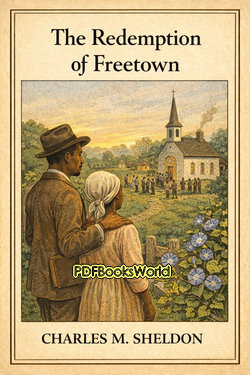
The Redemption of Freetown
by Charles M. Sheldon
Social Reform, Moral Responsibility, and Community Transformation in a Reformist Novel
Poverty, injustice, moral struggle, civic responsibility, and the hope for social renewal shape the purpose-driven world of The Redemption of Freetown by Charles M. Sheldon. Known for fiction centered on ethical and social questions, Sheldon uses the novel to explore how individuals and communities might confront corruption, inequality, and moral decline through compassion, reform, and collective action.
The story belongs to the tradition of socially conscious religious and reform literature popular during the late nineteenth and early twentieth centuries.
A Community Facing Moral and Social Crisis
Freetown represents more than a single location. It functions symbolically as a community struggling with social problems, division, and moral deterioration.
The narrative examines how poverty, selfishness, neglect, and injustice affect both individual lives and the larger social fabric.
Rather than accepting these conditions as permanent, the story asks whether moral leadership and civic action can bring meaningful change.
The atmosphere combines realism with idealistic hope.
Characters
The novel’s emotional and moral conflicts emerge through individuals attempting to confront difficult social realities.
- Reform-minded characters seek justice, compassion, and moral renewal within the community.
- Religious leaders and civic figures often struggle between comfort, responsibility, and public action.
- Ordinary citizens represent the human consequences of poverty, inequality, or neglect.
- Opposing figures may embody greed, corruption, indifference, or resistance to reform.
The interactions between characters highlight tensions between personal interest and social responsibility.
Themes
Sheldon uses the story to examine ethical questions connected with society and community life.
- The responsibility individuals hold toward others
- The possibility of social and moral reform
- The relationship between faith and public action
- Compassion toward the poor and vulnerable
- The struggle against corruption and injustice
The novel emphasizes active moral engagement rather than passive observation.
The Influence of Reform Literature
Charles M. Sheldon became closely associated with socially engaged Christian fiction that encouraged readers to think about ethical action in everyday life.
His novels often explored how religious principles might influence politics, economics, labor conditions, and community welfare.
The Redemption of Freetown reflects this tradition by linking personal morality with broader social responsibility.
The story seeks both emotional engagement and ethical reflection.
The Writing Style of Charles M. Sheldon
Sheldon writes clearly and directly, focusing on moral conflict, dialogue, and social situations rather than elaborate literary experimentation.
The tone remains sincere, earnest, and reform-minded throughout the novel.
The storytelling encourages readers to consider practical ethical questions connected with justice, leadership, and compassion.
The simplicity of the style strengthens the accessibility of the message.
Why The Redemption of Freetown Still Matters
The Redemption of Freetown remains relevant because its concerns about poverty, inequality, civic responsibility, and moral leadership continue to shape modern societies. Questions involving how communities respond to suffering and injustice remain deeply important.
For readers interested in reform literature, socially conscious fiction, ethical storytelling, religious social thought, and early twentieth-century community novels, Charles M. Sheldon’s work offers a thoughtful exploration of the possibility of collective renewal and moral responsibility.
Similar Genres
About the Author
Charles M. Sheldon was an American minister, novelist, and social reformer whose writings helped shape the Social Gospel movement during the late nineteenth and early twentieth centuries. He believed that Christian faith should be reflected in everyday actions through compassion, justice, honesty, and service to others. Explore Charles M. Sheldon books to discover the author's life, literary career, and access notable works.