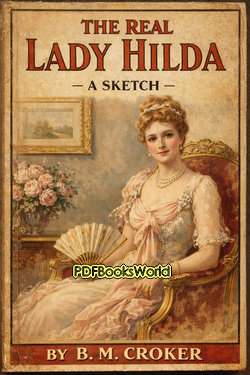
The Real Lady Hilda - A Sketch
by B. M. Croker
Identity, Society, and Hidden Truths in Victorian England
The Real Lady Hilda : A Sketch by B. M. Croker is a Victorian social novel exploring class, reputation, identity, and emotional resilience within the complex world of English society. Known for her sharp observation of social manners and colonial experience, Croker combines romance, realism, and psychological insight while examining how appearances and social expectations often conceal deeper personal truths.
The novel presents society as a world deeply influenced by wealth, status, and reputation, where individuals must carefully navigate judgment, ambition, and hidden emotional struggles.
The Story Behind Lady Hilda
The narrative follows Emma Hayes and her stepdaughter Gwen after the death of Emma’s husband forces them into financial hardship and social uncertainty upon returning from India to England. Their reduced circumstances contrast sharply with the comfortable colonial life they previously enjoyed, creating emotional and social tension as they attempt to adapt to a more difficult existence.
As relationships with neighbors, acquaintances, and members of fashionable society develop, questions of identity, authenticity, and social performance become increasingly important. The title itself hints at the contrast between outward appearance and genuine character.
Rather than focusing solely upon romance, the novel also examines survival, dignity, and the emotional compromises required within highly structured social environments.
Characters
- Emma Hayes: A charming but impractical widow struggling to maintain optimism amid financial decline.
- Gwen: Emma’s thoughtful and increasingly pragmatic stepdaughter, forced toward emotional maturity by changing circumstances.
- Lady Hilda: A socially important figure whose public image contrasts with deeper personal realities.
- Members of English Society: Neighbors, relatives, and acquaintances whose judgments and ambitions shape the social atmosphere of the story.
Class, Reputation, and Emotional Survival
A major theme throughout the novel is the instability of social status and the emotional pressure created by Victorian class expectations. Croker repeatedly explores how quickly fortune and reputation may change, especially for women dependent upon marriage, inheritance, or social approval.
The work also reflects Croker’s broader literary interest in Anglo-Indian experience and the transition between colonial and English social worlds. Many of her novels examined tensions involving identity, convention, and changing social conditions.
At the same time, the narrative emphasizes resilience, adaptability, and the importance of emotional honesty beneath social performance.
This combination of social realism and emotional subtlety gives the novel lasting literary appeal.
Literary and Social Themes Explored Throughout the Novel
- Social Class and Financial Decline: Characters struggle with reduced status and economic insecurity.
- Identity and Appearance: Public image often conceals deeper truths about character.
- Women and Social Expectation: Female characters navigate restrictive Victorian conventions.
- Colonial and English Society: Experiences in India influence social identity and relationships.
- Emotional Resilience: Hope and adaptability become essential during hardship.
B. M. Croker’s Social Realist Style
The Real Lady Hilda : A Sketch demonstrates B. M. Croker’s talent for combining lively dialogue, social observation, and emotional realism. Critics and later scholars have noted her skill in portraying class interaction, Anglo-Indian society, and the tensions hidden beneath respectable Victorian life.
Croker consistently portrays society as both entertaining and emotionally demanding, where charm and survival often depend upon careful social performance.
Why the Novel Still Holds Literary Interest
Modern readers continue finding The Real Lady Hilda : A Sketch engaging because its themes of identity, financial insecurity, reputation, and emotional endurance remain recognizable and relevant today. The novel also offers valuable insight into Victorian social life and the experiences of Anglo-Indian families returning to England.
Its themes of class, women’s social roles, emotional survival, colonial influence, and personal dignity continue appealing to readers interested in Victorian fiction, women’s literature, Anglo-Indian narratives, and social realism.
Similar Genres
About the Author
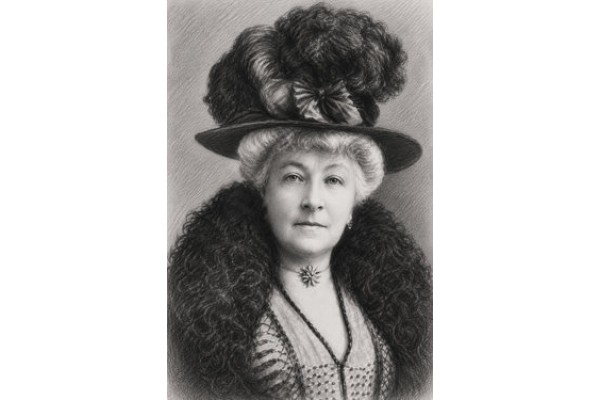
B. M. Croker, born Bithia Mary Croker, was an Irish novelist and short story writer whose vivid portrayals of British colonial life, romance, and adventure made her one of the most widely read popular authors of the late nineteenth and early twentieth centuries. Explore B. M. Croker books to discover the author's life, literary career, and access notable works, including The Serpent's Tooth, Quicksands , and more.