
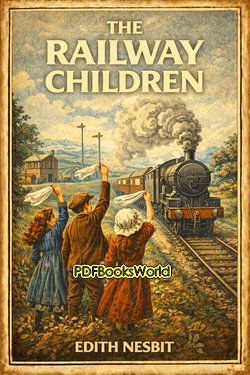
The Railway Children
by Edith Nesbit
A Heartwarming Adventure About Family, Friendship, and Courage
The Railway Children by Edith Nesbit is one of the most beloved children’s novels in English literature, combining family drama, adventure, kindness, and emotional warmth into a memorable story about resilience and hope. First published in the early twentieth century, the novel follows three children whose lives change suddenly after a family crisis forces them to leave London and move to the countryside.
Through friendship, imagination, and curiosity, the children discover adventure and comfort near the local railway line, which becomes the emotional center of the story.
A Sudden Change in Family Life
The story begins with a happy family living comfortably in London. However, after their father is unexpectedly taken away under mysterious circumstances, the children and their mother must move to a modest cottage in the countryside.
Although the family faces financial hardship and emotional uncertainty, the children remain curious, energetic, and hopeful. Their new life near the railway station soon introduces them to unexpected friendships, exciting events, and acts of kindness.
The railway itself becomes a symbol of connection, movement, hope, and possibility throughout the novel.
Main Characters
- Roberta “Bobbie”, the thoughtful and compassionate eldest sister
- Peter, imaginative and adventurous with strong curiosity
- Phyllis, cheerful, affectionate, and full of energy
- Their mother, loving and determined despite hardship
- The Old Gentleman, a mysterious railway passenger who helps the family
The relationships between these characters give the novel much of its emotional charm.
The Adventure and Excitement of the Railway
One of the novel’s most memorable features is its connection with trains and railway life. The children spend much of their time watching trains, greeting passengers, and becoming familiar with station workers and local residents.
The railway also becomes the setting for several dramatic and adventurous moments involving danger, rescue, and acts of bravery.
Nesbit captures the excitement and wonder trains represented during the period while also using them symbolically to connect people and events.
Main Themes in the Novel
- Family loyalty and emotional resilience
- Kindness, friendship, and generosity
- Childhood curiosity and imagination
- Hope during hardship and uncertainty
These themes help make the story emotionally uplifting and timeless.
The Writing Style of Edith Nesbit
Edith Nesbit writes with warmth, humor, and emotional honesty. Her dialogue feels natural and lively, especially in the interactions between the children.
She treats young characters seriously, allowing them to experience real fear, sadness, excitement, and joy without losing the sense of wonder that defines childhood.
The balance between adventure and emotional realism helped establish Nesbit as one of the most influential children’s authors of her era.
Why The Railway Children Still Captivates Readers
The Railway Children remains popular because it combines emotional sincerity with memorable adventure and lovable characters. The novel’s focus on family strength, kindness, and hope continues to resonate across generations.
For readers interested in classic children’s literature, family-centered storytelling, and nostalgic adventure, Edith Nesbit’s novel remains a charming and deeply touching reading experience.
Similar Genres
About the Author
Edith Nesbit was an English novelist, poet, and children's author whose imaginative storytelling transformed the landscape of children's literature. Writing under the name E. Nesbit, she created stories that combined everyday family life with adventure, humor, and a sense of wonder. Explore Edith Nesbit books to discover the author's life, literary career, and access notable works.