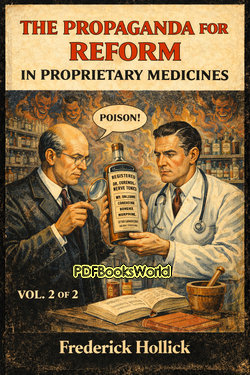
The Propaganda for Reform in Proprietary Medicines, Vol. 2 of 2
by Various Authors
Continuing the Fight Against Misleading Medical Claims
The Propaganda for Reform in Proprietary Medicines, Vol. 2 of 2 continues the investigation into the questionable practices of the early proprietary medicine industry. Written by Various Authors, the volume expands upon concerns raised in the first book by examining deceptive advertising, unsafe ingredients, and the lack of proper medical oversight in many widely sold remedies.
The collection reflects a period when public trust in “miracle cures” was beginning to face serious criticism. Reformers, physicians, and journalists worked together to expose products that promised unrealistic results while often hiding harmful substances or ineffective formulas.
The Influence of Commercial Medicine
During the late nineteenth and early twentieth centuries, proprietary medicines became a powerful business industry. Companies relied heavily on advertising campaigns that targeted fear, hope, and public misunderstanding about illness.
Many remedies were promoted as universal solutions for multiple diseases despite having little scientific support. The volume explores how emotional marketing often replaced reliable medical evidence.
Investigating Unsafe and Misleading Products
The book carefully examines products that contained ingredients unknown to consumers. Some medicines included alcohol, opiates, or stimulants that created temporary effects mistaken for genuine cures.
By revealing the actual contents and exaggerated claims behind these remedies, the authors aimed to protect public health and encourage more responsible medical standards.
Key Concerns Highlighted in the Volume
- Hidden ingredients in heavily advertised medicines
- Exaggerated claims used to attract consumers
- The absence of proper scientific testing
- The need for stronger healthcare regulation
- The role of journalism in public health reform
These topics helped shape public discussions about medical ethics and consumer safety.
The Push for Honest Medical Advertising
One of the major goals of the reform movement was to encourage truthfulness in advertising. The authors argued that consumers deserved accurate information before purchasing health products.
The volume criticizes companies that used dramatic testimonials and emotional promises to sell treatments without reliable proof. This debate over advertising ethics remains important even in modern healthcare industries.
A Window Into Early Public Health Reform
Beyond its medical focus, the book also reveals how social reform movements developed during the early twentieth century. Journalists and healthcare advocates increasingly pushed for government action to regulate dangerous or dishonest products.
The discussions found in this volume contributed to broader changes in public health laws and pharmaceutical oversight in later years.
Why the Book Still Holds Historical Value
The Propaganda for Reform in Proprietary Medicines, Vol. 2 of 2 remains an important historical document because it captures a turning point in the relationship between medicine, advertising, and consumer protection.
Readers interested in medical history, journalism, or healthcare reform can gain valuable insight into the early efforts to create safer and more transparent medical practices. The issues discussed in the book continue to feel surprisingly relevant in discussions about health marketing and public trust today.