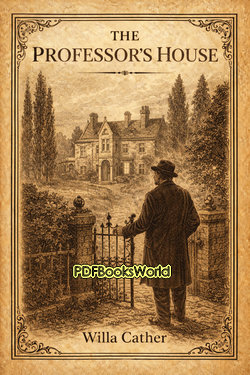
The Professor's House
by Willa Cather
A Quiet and Profound Novel of Memory, Change, and Spiritual Isolation
The Professor's House by Willa Cather is one of the most introspective and artistically refined novels in American literature, exploring themes of personal disillusionment, memory, artistic identity, and emotional isolation. Published in 1925, the novel centers on Professor Godfrey St. Peter, a respected academic whose outwardly successful life conceals deep dissatisfaction and spiritual emptiness.
Rather than relying upon dramatic external action, Cather creates a deeply reflective narrative concerned with inner experience, shifting relationships, and the emotional consequences of modern social change. The novel unfolds through quiet observation, symbolic detail, and psychological subtlety, revealing a man struggling to understand the meaning of his life as old certainties gradually disappear.
The work blends psychological realism with philosophical reflection and lyrical prose.
Professor St. Peter and a Changing World
Professor Godfrey St. Peter: A historian and intellectual whose personal identity becomes increasingly unsettled as family dynamics, financial success, and modern materialism alter the world around him.
The story follows the professor during a transitional period in his life as his family prepares to move into a new home made possible by financial prosperity connected to the discoveries of his former student, Tom Outland.
Yet instead of feeling satisfaction, St. Peter experiences emotional distance, nostalgia, and growing detachment from both his family and contemporary society. The old house where he once worked becomes a powerful symbol of memory, intellectual life, and emotional authenticity.
The atmosphere combines quiet melancholy, reflection, and emotional restraint.
The Story of Tom Outland
A central section of the novel recounts the story of Tom Outland, a brilliant and adventurous young man whose discoveries in the American Southwest bring both historical importance and commercial wealth. His experiences among ancient cliff dwellings introduce themes of exploration, artistic purity, and cultural loss.
Tom’s idealism and tragic fate deeply affect Professor St. Peter, who sees in him a spiritual intensity absent from the increasingly commercialized modern world.
The contrast between Tom’s adventurous authenticity and the professor’s emotional exhaustion becomes one of the novel’s most important emotional tensions.
The Literary Style of Willa Cather
Willa Cather writes with extraordinary precision, restraint, and emotional subtlety. Her prose is quiet yet deeply expressive, relying upon atmosphere, symbolism, and psychological nuance rather than melodrama.
The novel’s descriptions of domestic interiors, academic life, and Southwestern landscapes carry emotional significance beyond their physical detail.
Cather’s elegant style allows the emotional complexity of the characters to emerge gradually and naturally.
Main Themes and Philosophical Reflection
The novel explores themes of memory, aging, artistic integrity, materialism, spiritual emptiness, family change, intellectual life, mortality, isolation, and the conflict between idealism and modern society.
Through Professor St. Peter’s reflections and emotional withdrawal, the narrative examines how success and progress can sometimes deepen rather than resolve personal dissatisfaction.
The story also considers whether beauty, scholarship, and authentic experience can survive within a culture increasingly dominated by wealth and social ambition.
Why the Novel Still Holds Importance
The Professor's House remains one of Willa Cather’s most admired works because of its psychological depth, philosophical seriousness, and artistic refinement. Readers continue to value the novel’s honest exploration of middle age, emotional alienation, and the search for meaning.
The book’s subtle emotional power and introspective structure distinguish it from more conventional narratives of its period.
Its themes remain deeply relevant in modern discussions about identity, fulfillment, and cultural change.
The Lasting Importance of Willa Cather’s Fiction
Willa Cather became one of the most important American novelists of the twentieth century through her sensitive portrayals of memory, landscape, personal longing, and cultural transformation. Her works often explored individuals struggling to preserve emotional and artistic authenticity within changing societies.
The Professor's House especially reflects modernist concerns regarding fragmentation, alienation, and the uncertain relationship between past and present.
The continuing admiration for Cather’s literary craftsmanship helps preserve the novel’s enduring reputation.
Final Thoughts
The Professor's House by Willa Cather is a beautifully written and emotionally profound novel exploring memory, intellectual life, and the quiet loneliness that can accompany personal success and social change. Through subtle characterization and lyrical prose, Cather creates a deeply human meditation on identity, loss, and the search for meaning in a rapidly modernizing world.
For readers interested in psychological fiction, American modernism, philosophical literature, and emotionally nuanced storytelling, this novel remains one of the most rewarding achievements of twentieth-century American fiction.
Similar Genres
About the Author
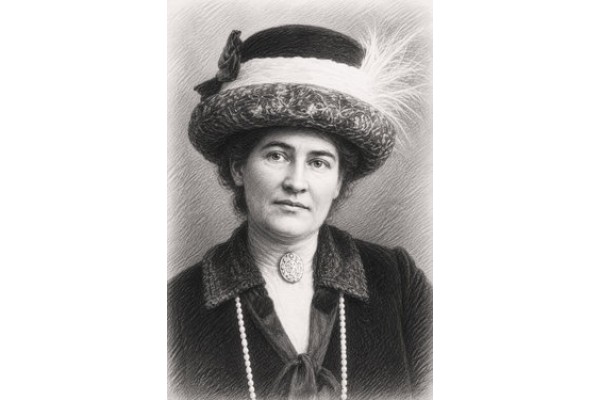
Willa Cather was an American novelist, short story writer, and essayist whose beautifully crafted fiction captured the spirit of the American frontier and the lives of the people who settled it. Explore Willa Cather books to discover the author's life, literary career, and access notable works, including My Antonia , and more.