
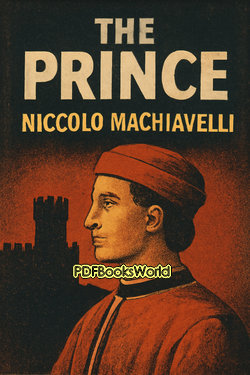
The Prince
by Niccolo Machiavelli
The Prince: Bold Guide to Power and Leadership
The Prince by Niccolò Machiavelli remains one of the most controversial and influential books ever written about politics and leadership. First written in the early sixteenth century, the book examines how rulers gain, maintain, and protect political power in unstable times. Rather than describing ideal governments or perfect moral systems, Machiavelli focused on practical leadership and the harsh realities of political life.
The book became famous because of its direct and realistic advice. Machiavelli argued that leaders must often make difficult decisions to secure stability and authority. His ideas challenged traditional political thinking and introduced a more pragmatic approach to government and leadership.
Why The Prince Was So Revolutionary
Before Machiavelli, many political writers focused on how rulers should behave according to morality and ideal virtue. Machiavelli broke away from this tradition by examining how leaders actually behave in real situations. He believed that survival, strength, and stability often matter more than appearing perfectly virtuous.
This practical approach shocked many readers and eventually gave rise to the term “Machiavellian,” which is often associated with political manipulation, strategy, and ruthless decision-making.
Key Ideas Explored in the Book
-
Power Must Be Protected Carefully
Machiavelli explains that gaining power is difficult, but keeping power is even harder. Leaders must remain alert, decisive, and prepared to respond quickly to threats and political changes. -
Fear Can Be Stronger Than Love
One of the book’s most famous arguments asks whether it is better for a ruler to be loved or feared. Machiavelli concludes that while both are desirable, fear is often more reliable when maintaining authority. -
Appearance Matters in Leadership
Machiavelli believed rulers should appear wise, moral, and trustworthy even if political situations sometimes require harsh actions. Reputation plays a major role in maintaining influence and public support. -
Strong Military Power Is Essential
The book repeatedly emphasizes the importance of military strength. According to Machiavelli, a ruler without a capable and loyal military risks losing both authority and security. -
Adaptability Creates Successful Leaders
Machiavelli stresses that leaders must adjust to changing circumstances. Flexibility, intelligence, and quick decision-making help rulers survive uncertain political conditions.
Major Themes in The Prince
-
Leadership and Authority
The book explores the qualities needed for effective leadership, including courage, decisiveness, and strategic thinking. Machiavelli believed weak leadership often leads to political instability. -
Morality Versus Practicality
One of the most debated aspects of the book is its discussion of morality. Machiavelli suggests that leaders sometimes need to act against traditional moral values in order to protect the state and maintain order. -
Fortune and Human Skill
Machiavelli discusses the role of fortune, or luck, in political success. However, he also argues that strong leaders can shape events through preparation, intelligence, and determination.
Why Readers Still Study the Book Today
Although written centuries ago, The Prince continues to influence political science, leadership studies, business strategy, and philosophy. Modern readers are drawn to its realistic examination of power, ambition, and decision-making.
The book is often studied not only as a political text, but also as a psychological exploration of human behavior and authority. Many leadership discussions still reference Machiavelli’s ideas about influence, reputation, and strategy.
Important Lessons Readers Can Take Away
- Leadership requires preparation and decisiveness
- Public image can influence political success
- Strong institutions help maintain stability
- Adaptability is essential during uncertain times
- Power often depends on strategy rather than idealism
- Understanding human behavior improves leadership effectiveness
The Lasting Influence of Niccolò Machiavelli
Niccolò Machiavelli became one of history’s most influential political thinkers because of his willingness to discuss politics honestly and realistically. His writings changed political philosophy by focusing on practical governance rather than idealized systems.
Today, The Prince remains widely discussed in universities, leadership programs, and political studies because its observations about power and human nature continue to feel relevant.
Conclusion
The Prince remains a remarkable and thought-provoking work that explores leadership, authority, ambition, and political survival. Through direct advice and sharp observations, Niccolò Machiavelli created a book that still sparks debate centuries after its publication.
For readers interested in politics, leadership, philosophy, and history, The Prince continues to offer valuable insight into the realities of power and the complexities of human decision-making.
Similar Genres
About the Author
Niccolò Machiavelli was an Italian diplomat, political philosopher, historian, and writer whose ideas have shaped political thought for more than five centuries. Serving the Republic of Florence during a period of intense political change, he closely observed the realities of power, leadership, and statecraft. Explore Niccolo Machiavelli books to discover the author's life, literary career, and access notable works.