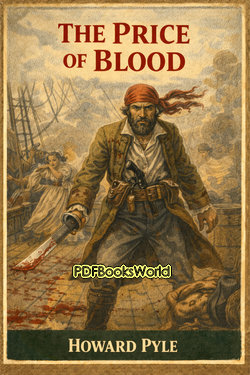
The Price of Blood
by Howard Pyle
Honor, Revenge, and Moral Conflict in Howard Pyle’s Historical Adventure
Swords drawn in anger, dangerous rivalries, wounded pride, and the heavy consequences of violence shape the dramatic atmosphere of The Price of Blood by Howard Pyle. Known for his vivid historical storytelling and romantic adventure fiction, Pyle creates a tale where courage, personal honor, and revenge collide within a world governed by strict codes of loyalty and reputation.
The story combines action and emotional tension while examining how violence can transform both individuals and their relationships.
The Meaning Behind the Title
The phrase “price of blood” immediately suggests sacrifice, vengeance, and the serious cost attached to violence. Bloodshed in the story is never entirely free of consequence.
Characters must confront:
- The emotional burden of revenge
- The conflict between justice and anger
- The dangers of pride and impulsive action
- The lasting effects of violence on personal honor
The title therefore points toward both physical danger and moral reckoning.
A World Governed by Honor
Like many of Pyle’s historical adventures, the narrative unfolds within a society where reputation and personal courage carry enormous importance.
Insults, betrayal, or public humiliation may demand response according to social expectations surrounding honor.
This creates an environment where emotional conflict quickly escalates into dangerous confrontation.
The characters often struggle between personal conscience and the demands imposed by tradition or pride.
Adventure Combined With Moral Reflection
Although the story includes action, duels, and dramatic tension, Pyle also explores the emotional and ethical consequences of violence.
The narrative asks whether revenge truly restores justice or simply deepens suffering.
Characters frequently discover that acts driven by anger or wounded pride produce outcomes far more complicated than expected.
This moral seriousness gives the adventure additional depth.
The Historical Atmosphere of Howard Pyle
Pyle possessed remarkable talent for recreating historical environments filled with vivid detail and romantic energy. His stories often evoke:
- Old-world codes of chivalry and loyalty
- Historic settings shaped by conflict and danger
- Dramatic confrontations and emotional intensity
- A strong sense of atmosphere and visual detail
The historical background enhances both suspense and emotional weight.
The Writing Style of Howard Pyle
Pyle writes with clarity, momentum, and strong visual imagination. Scenes often feel highly cinematic because of his attention to movement, setting, and dramatic confrontation.
His prose balances adventure storytelling with reflective moments that reveal character motivation and moral conflict.
The combination of excitement and seriousness became one of his defining literary strengths.
Why The Price of Blood Still Holds Interest
The Price of Blood continues to engage readers because themes of revenge, honor, justice, and personal consequence remain universally compelling. Stories about violence and moral responsibility continue to resonate across historical settings and literary genres.
For readers interested in historical adventure, classic moral drama, romantic action fiction, and the richly atmospheric storytelling of Howard Pyle, the novel offers a vivid exploration of courage, conflict, and the true cost of vengeance.
Similar Genres
About the Author
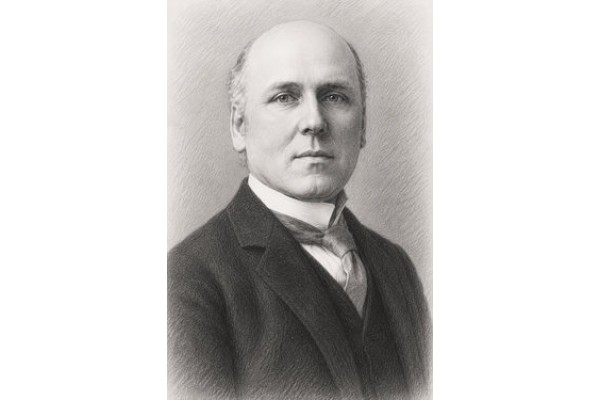
Howard Pyle was an American author, illustrator, and teacher whose imaginative stories and remarkable artwork helped define the golden age of children's literature and historical illustration. Explore Howard Pyle books to discover the author's life, literary career, and access notable works, including Rejected of Men, A Modern Aladdin , and more.