The Phantom of the Opera: A Haunting Tale of Love, Mystery, and Obsession
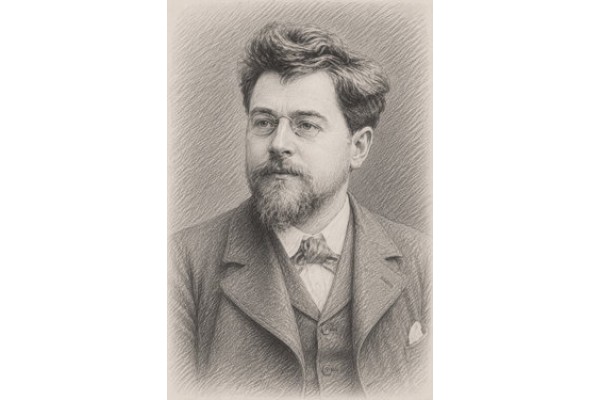
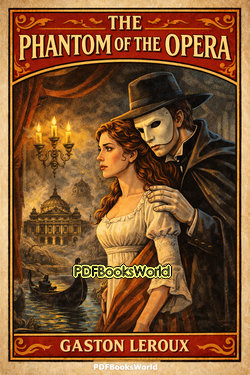
The Phantom of the Opera is one of the most famous Gothic novels ever written. Created by Gaston Leroux and first published in 1910, the story blends mystery, romance, horror, and psychological drama within the grand setting of the Paris Opera House. Through its unforgettable characters and haunting atmosphere, the novel continues to captivate readers and inspire adaptations across literature, theatre, film, and music.
The Mystery Beneath The Paris Opera House
The story unfolds inside the magnificent Paris Opera House, where strange accidents, mysterious voices, and terrifying rumors lead many to believe that the building is haunted by a ghost known as the Phantom. The mysterious figure secretly lives beneath the opera house and exerts control over performers and managers through threats, manipulation, and fear.
At the center of the story is Christine Daaé, a talented young singer who believes she is being guided by an “Angel of Music” promised by her late father. In reality, the voice belongs to Erik, the disfigured musical genius known as the Phantom, whose obsession with Christine slowly grows more dangerous and emotionally intense.
The Tragic Character of Erik
One reason The Phantom of the Opera remains so powerful is the emotional complexity of Erik himself. Although feared as a monster, Erik is also portrayed as intelligent, lonely, emotionally wounded, and desperate for love and acceptance. His physical deformity caused society to reject and isolate him, shaping the bitterness and emotional instability that define his character.
Rather than presenting Erik as purely evil, Gaston Leroux creates a tragic figure torn between love, jealousy, violence, and vulnerability. Readers are often drawn to the sadness beneath his frightening appearance and obsessive behavior.
Romance, Horror, and Gothic Atmosphere
The novel combines romance and suspense with classic Gothic elements including hidden passages, underground chambers, masked identities, candlelit tunnels, and psychological terror. Leroux uses the opera house itself as a haunting and mysterious setting filled with secret rooms, underground lakes, and dark corridors.
This atmosphere creates a constant sense of tension and uncertainty throughout the story. The contrast between the beauty of music and the darkness surrounding Erik gives the novel much of its emotional and dramatic power.
Themes of Beauty, Isolation, and Obsession
The novel explores themes including love, obsession, loneliness, appearance, identity, compassion, and humanity’s tendency to judge others based on physical appearance. Erik’s emotional suffering reflects the damage caused by rejection and isolation, while Christine struggles between fear, sympathy, and personal freedom.
Gaston Leroux also examines how obsession can distort love and transform emotional desire into control and destruction. These psychological themes continue to resonate strongly with modern readers.
The Lasting Influence of The Phantom of the Opera
The influence of The Phantom of the Opera extends far beyond literature. The novel inspired numerous film adaptations, stage productions, and musicals, most famously Andrew Lloyd Webber’s internationally successful musical adaptation that introduced the story to millions of people worldwide.
The Phantom himself became one of the most recognizable figures in Gothic fiction, often symbolizing tragic loneliness hidden beneath fearsome appearances.
Why Readers Still Love The Novel
Modern readers continue to admire The Phantom of the Opera because of its emotional depth, suspenseful storytelling, and unforgettable atmosphere. The novel balances horror and romance in a way that feels both dramatic and deeply human.
Its exploration of beauty, rejection, love, and emotional suffering allows the story to remain meaningful and emotionally powerful more than a century after its publication.
Final Thoughts
The Phantom of the Opera remains one of the defining classics of Gothic fiction. Through haunting imagery, emotional tragedy, and unforgettable characters, Gaston Leroux created a timeless novel that continues to inspire readers and audiences around the world.
For readers interested in Gothic literature, romantic tragedy, psychological drama, and mysterious storytelling, this novel remains an essential and unforgettable reading experience.