
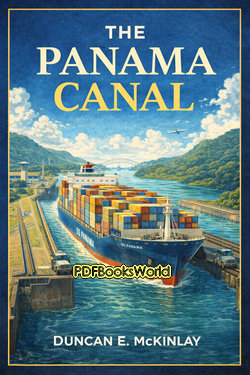
The Panama Canal
by Duncan E. McKinlay
The Massive Engineering Project That Changed Global Trade
The Panama Canal by Frederic J. Haskin is a detailed historical book that explores one of the most important construction projects in modern history. The book explains how the Panama Canal was built, why it mattered to the world, and the enormous effort required to connect the Atlantic and Pacific Oceans through Central America.
Before the canal existed, ships had to travel around the southern tip of South America, a journey that was dangerous and extremely time-consuming. The construction of the Panama Canal changed international trade by creating a much shorter and safer route for ships. Frederic J. Haskin presents the story in a clear and informative style that makes the topic accessible to general readers.
How the Canal Project Began
The idea of building a canal through Panama had existed for many years before construction finally succeeded. Earlier attempts faced serious problems including disease, financial difficulties, and harsh working conditions. The book explains how different countries became interested in the project and how the United States eventually took control of the construction effort.
Haskin describes the enormous planning involved in digging through mountains, controlling rivers, and designing a system of locks that could raise and lower ships safely. The project required advanced engineering techniques for its time and employed thousands of workers from different parts of the world.
The Challenges Faced During Construction
- Dangerous tropical diseases such as malaria and yellow fever
- Heavy rainfall and difficult terrain
- Massive excavation work through rock and soil
- Complex engineering and lock construction
- Managing thousands of workers and supplies
One of the book’s most interesting sections focuses on the medical improvements that helped reduce disease among workers. Better sanitation and mosquito control became essential to the success of the canal project.
Why the Panama Canal Became So Important
The completion of the Panama Canal had a major effect on global trade and transportation. Ships could now move between oceans far more quickly, saving both time and money. The canal also increased the strategic and economic importance of Panama.
Frederic J. Haskin explains how the canal influenced international shipping, military movement, and world commerce. Even today, the Panama Canal remains one of the most important waterways in the world.
The author’s writing style combines historical facts with practical explanations, helping readers understand both the technical and human side of the project. Instead of overwhelming readers with complicated engineering details, the book keeps the information readable and engaging.
Important Topics Covered in the Book
- The history behind the canal project
- Engineering methods used during construction
- The role of workers and medical teams
- The canal’s impact on international trade
- Political and economic importance of the project
Final Thoughts
The Panama Canal offers readers an informative look at one of history’s greatest engineering achievements. Frederic J. Haskin successfully explains the difficulties, innovations, and global importance of the canal in a way that remains interesting even today. Readers interested in history, engineering, transportation, or world trade may find this book both educational and enjoyable.
Similar Genres
About the Author
Duncan E. McKinlay was an American author, lawyer, and public servant who wrote about important developments in the history, politics, and infrastructure of the United States. His work reflected a strong interest in public affairs and the achievements that shaped modern society. Explore Duncan E. McKinlay books to discover the author's life, literary career, and access notable works.