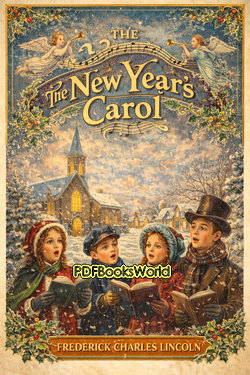
The New Year's carol
by Anonymous
A Festive and Reflective Celebration of Renewal and Hope
The New Year's Carol by Anonymous is a seasonal and reflective work celebrating the arrival of the New Year through poetry, song, or lyrical storytelling. Like many traditional holiday pieces, the work combines themes of renewal, memory, hope, and moral reflection while capturing the emotional atmosphere associated with turning from one year into another.
The New Year has long inspired songs and verses encouraging gratitude for the past and optimism for the future. This work reflects those traditions by blending festive spirit with thoughtful meditation on time, human experience, and changing seasons.
The piece carries the warmth and simplicity often found in traditional celebratory literature.
A Song of Renewal and Reflection
The work likely centers on the emotional transition between the old year and the new, inviting readers or listeners to reflect upon past joys, hardships, friendships, and hopes for the future.
Images of winter, gathering, celebration, and the passing of time contribute to the atmosphere of the piece. The carol form suggests musical rhythm and communal feeling, emphasizing shared experience and seasonal goodwill.
The narrative or lyrical voice encourages renewal, optimism, and emotional connection as a new year begins.
The Traditional Style of the Carol
The writing style is lyrical, rhythmic, and expressive, designed to create warmth and emotional resonance. Traditional carols often combined simple language with memorable imagery and uplifting themes.
The tone balances celebration with gentle reflection, acknowledging both the passing of time and the possibility of fresh beginnings.
The simplicity of the work helps preserve its timeless and universal appeal.
Main Themes and Seasonal Reflections
The piece explores themes of renewal, hope, memory, gratitude, community, time, and the emotional meaning of seasonal transition. It also reflects humanity’s enduring desire to begin again with greater wisdom and optimism.
Through festive imagery and reflective tone, the work encourages emotional renewal and appreciation for shared human experience.
Why the Work Still Holds Appeal
The New Year's Carol remains meaningful because readers continue to value literature and songs connected to seasonal celebration and personal reflection. The themes of hope and renewal remain universally relatable.
Traditional holiday works often provide emotional comfort and a sense of continuity across generations.
Its gentle optimism and festive atmosphere continue to make the piece enjoyable.
The Lasting Tradition of New Year Literature
Poems, songs, and carols celebrating the New Year have existed for centuries in many cultures. Such works often encourage reflection on mortality, gratitude, friendship, and the hope of personal improvement.
Holiday literature became especially important because it connected communities through shared customs, music, and seasonal storytelling.
The continuing popularity of festive traditions helps preserve appreciation for works like this.
Final Thoughts
The New Year's Carol by Anonymous is a warm and reflective seasonal work celebrating renewal, hope, and the emotional meaning of the New Year. Through lyrical expression and festive spirit, the piece captures humanity’s enduring desire for fresh beginnings and shared celebration.
For readers interested in holiday literature, traditional poetry, and reflective seasonal writing, this work remains both comforting and uplifting.