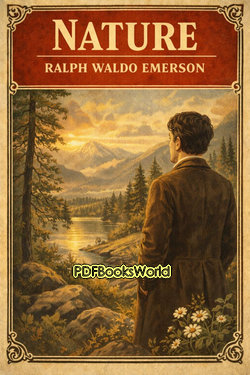
Nature
by Ralph Waldo Emerson
Nature and Ralph Waldo Emerson’s Vision of Spirituality, Individualism, and the Natural World
Few essays have influenced American philosophy and literature as deeply as Nature by Ralph Waldo Emerson. First published in the nineteenth century, the work became a foundational text of Transcendentalism, encouraging readers to seek spiritual insight, personal independence, and deeper connection with the natural world.
Emerson presents nature not simply as physical scenery, but as a living source of wisdom, inspiration, and emotional renewal capable of transforming human understanding.
Nature as a Source of Spiritual Insight
Emerson believed that people could discover truth and meaning through direct experience with nature rather than relying entirely on tradition or established institutions. Forests, rivers, stars, and changing seasons became symbols of spiritual unity and personal awakening within his philosophy.
This perspective challenged purely material views of life and encouraged greater attention to intuition and inner experience.
Important Ideas Explored in the Essay
- The spiritual significance of nature
- Individual thought and self-reliance
- The connection between humanity and the universe
- The importance of intuition and personal insight
- The relationship between beauty and truth
The Philosophy of Transcendentalism
Nature became one of the central works of the Transcendentalist movement, which emphasized personal freedom, spiritual reflection, creativity, and the belief that individuals could access deeper truths beyond ordinary experience.
Emerson encouraged readers to trust their own perceptions and seek wisdom through direct engagement with life and the natural environment.
Major Themes Found Throughout the Work
- The unity between humanity and nature
- The search for spiritual and intellectual freedom
- The value of solitude and contemplation
- The rejection of conformity and imitation
- The transformative power of beauty and imagination
Why Emerson’s Ideas Still Feel Relevant
Modern readers continue appreciating Emerson because his reflections on individuality, creativity, and connection with nature remain meaningful in an increasingly technological and fast-paced world. His emphasis on personal authenticity and independent thought continues inspiring readers across generations.
The essay also remains influential in environmental thought, spirituality, literature, and philosophy.
Readers interested in American intellectual history often explore the philosophy and ideas of Transcendentalism to better understand the cultural movement associated with Emerson’s writings.
Ralph Waldo Emerson’s Literary Influence
Emerson became one of the most important voices in American literature because of his philosophical essays, lectures, and poetry. His ideas influenced writers such as Henry David Thoreau, Walt Whitman, and many later thinkers interested in freedom, spirituality, and self-expression.
His elegant prose and visionary ideas helped shape the development of American intellectual culture.
Reasons the Essay Continues to Be Studied
- Foundational work of Transcendentalist philosophy
- Powerful reflections on nature and spirituality
- Encourages independent and creative thought
- Influential in literature and environmental philosophy
- Beautiful and inspiring prose style
The Enduring Power of Nature Writing
Nature writing continues resonating because it encourages people to reflect on their relationship with the environment, society, and inner life. Works like Emerson’s remind readers that the natural world can provide not only beauty but also emotional clarity and philosophical insight.
Its enduring influence reflects humanity’s continuing search for meaning, balance, and connection beyond material concerns.
Final Thoughts
Nature remains one of the most influential philosophical essays in American literature. Through spiritual reflection, poetic language, and visionary thought, Ralph Waldo Emerson explored the relationship between humanity, individuality, and the natural world with extraordinary insight. Its lasting importance continues inspiring readers interested in philosophy, spirituality, literature, and the beauty of nature.
Similar Genres
About the Author
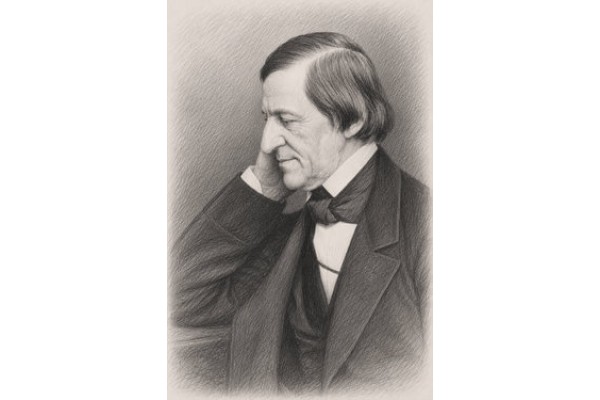
Ralph Waldo Emerson was an American essayist, philosopher, poet, and lecturer whose ideas shaped the intellectual and literary landscape of the nineteenth century. Born in Boston, Massachusetts, in 1803, Emerson became the leading voice of the Transcendentalist movement, encouraging individuals to trust their own judgment, embrace nature, and pursue spiritual and intellectual independence. Explore Ralph Waldo Emerson books to discover the author's life, literary career, and access notable works, including Essays Of Ralph Waldo Emerson , and more.