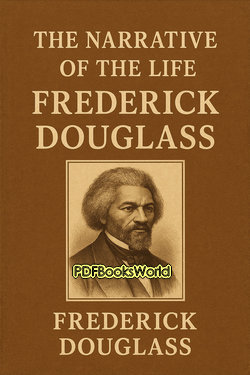
The Narrative of the Life of Frederick Douglass
by Frederick Douglass
From Slavery to Freedom: The Inspiring Journey of Frederick Douglass
The Narrative of the Life of Frederick Douglass is a powerful autobiography written by Frederick Douglass. Published in 1845, the book gives a real and emotional account of Douglass’s life as an enslaved person in America and his courageous journey toward freedom. The autobiography became one of the most influential anti-slavery works in American history.
About the Author
Frederick Douglass was a famous American abolitionist, writer, speaker, and social reformer. After escaping slavery, he became one of the strongest voices against slavery and fought for equal rights and human freedom. His autobiography helped people understand the cruelty and injustice faced by enslaved individuals.
Overview of the Book
The autobiography describes Douglass’s childhood in slavery, the brutal treatment of enslaved people, and his determination to gain education and freedom. He explains how slavery destroyed families, denied basic human rights, and created fear among enslaved people.
Douglass secretly learned to read and write, which changed his understanding of freedom and equality. Education became the turning point in his life, giving him the courage to escape slavery and become a leader in the abolitionist movement.
Main Figures in the Narrative
- Frederick Douglass – The narrator and central figure who fights against slavery and seeks freedom through education and courage.
- Sophia Auld – The wife of Douglass’s master who initially teaches him the alphabet before being influenced by the cruel system of slavery.
- Hugh Auld – Douglass’s master who believes education would make enslaved people desire freedom.
- Edward Covey – A harsh slave breaker known for physically and mentally abusing enslaved workers.
- William Freeland – A comparatively kinder slave owner with whom Douglass spends some time before planning escape attempts.
Major Themes in the Book
- Freedom and Human Rights – The book strongly argues that every person deserves liberty and dignity.
- Power of Education – Douglass shows how reading and learning helped him understand freedom and resist slavery.
- Cruelty of Slavery – The autobiography exposes the violence, injustice, and emotional pain caused by slavery.
- Courage and Resistance – Douglass’s determination and bravery inspire readers throughout the narrative.
- Religion and Hypocrisy – The book criticizes religious people who supported slavery while claiming to be moral.
Important Elements of the Narrative
- Real experiences of slavery in America
- Emotional descriptions of family separation
- Secret learning and self-education
- Physical and mental struggles under slavery
- Attempts to escape and gain freedom
- Strong message against racial injustice
Writing Style
Frederick Douglass uses simple yet powerful language filled with honesty and emotion. His writing is direct, realistic, and deeply moving. The first-person narration makes readers feel connected to his pain, struggles, and hope for freedom.
Why Readers Admire This Book
Readers appreciate the autobiography because it presents a true and inspiring story of courage, intelligence, and determination. The book not only shares personal experiences but also educates readers about the realities of slavery.
- Powerful real-life experiences
- Emotional and inspiring storytelling
- Strong message about equality and freedom
- Historical importance in anti-slavery movement
- Honest and fearless narration
Historical and Literary Value
The autobiography played an important role in strengthening the abolitionist movement in America. It became proof that enslaved people were intelligent, capable, and deserving of equal rights. Today, the book is considered a classic work of American literature and an important historical document.
Conclusion
The Narrative of the Life of Frederick Douglass by Frederick Douglass is a timeless autobiography that highlights the importance of freedom, education, courage, and human dignity. Its emotional honesty and powerful message continue to inspire readers around the world. Anyone interested in history, equality, and personal triumph will find this book deeply meaningful and unforgettable.
Similar Genres
About the Author
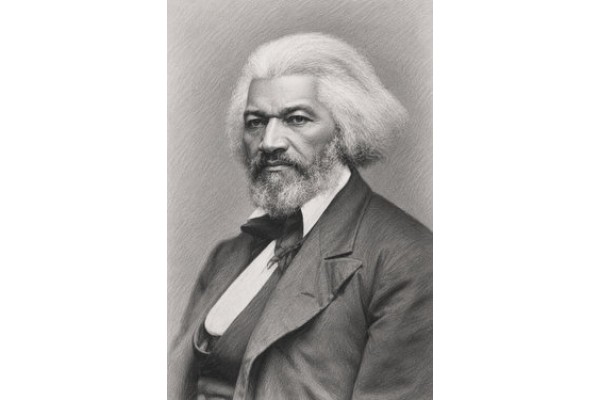
Frederick Douglass was an American abolitionist, orator, journalist, statesman, and author whose powerful writings and speeches transformed the fight against slavery and advanced the cause of civil rights. Born into slavery in Maryland around 1818, Douglass escaped to freedom and became one of the nineteenth century's most influential advocates for equality, justice, and human dignity. Explore Frederick Douglass books to discover the author's life, literary career, and access notable works, including My Bondage and My Freedom , and more.