
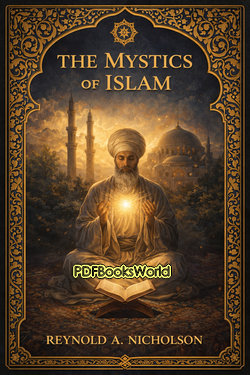
The Mystics of Islam
by Reynold Alleyne Nicholson
Exploring the Spiritual Heart of Islamic Mysticism
The Mystics of Islam by Reynold Alleyne Nicholson is one of the most influential introductions to Islamic mysticism, commonly known as Sufism. Written by a distinguished scholar of Islamic literature and thought, the book examines the beliefs, practices, and spiritual ideals that have shaped mystical traditions within Islam for centuries. Nicholson presents a clear and accessible overview of a subject that is both deeply philosophical and profoundly personal, helping readers understand how mystics sought a direct experience of the divine.
Rather than focusing solely on doctrine or history, the work explores the inner dimensions of religious life. Through discussions of spiritual development, devotion, and contemplation, Nicholson reveals the rich intellectual and emotional world of Islamic mysticism.
Understanding Islamic Mysticism
Sufism developed as a spiritual movement within Islam that emphasizes personal transformation and closeness to God. While grounded in Islamic teachings, Sufi thinkers often placed special emphasis on the inner meaning of faith, seeking not only knowledge about the divine but also direct spiritual awareness.
Nicholson explains that many mystics viewed religious life as a journey. Through prayer, reflection, discipline, and devotion, believers sought to purify the heart and deepen their understanding of divine reality.
The Spiritual Journey
A central theme of the book is the idea of spiritual progress. Mystics often described the path to God as a series of stages through which individuals gradually develop wisdom, humility, and love. This journey involves overcoming selfish desires, cultivating virtue, and strengthening one's relationship with the divine.
Although different Sufi teachers described the path in various ways, many shared the belief that spiritual growth requires dedication, patience, and sincere effort. Nicholson carefully outlines these concepts, making them accessible to readers unfamiliar with Islamic mysticism.
Major Themes Found Throughout the Book
- Divine Love: The longing for closeness and union with God.
- Spiritual Discipline: Practices designed to cultivate inner growth.
- Self-Transformation: Overcoming ego and developing virtue.
- Mystical Experience: Seeking direct awareness of divine reality.
These themes form the foundation of much Sufi thought and practice.
The Role of Love in Sufi Thought
One of the most distinctive aspects of Islamic mysticism is its emphasis on love. Many Sufi poets and teachers described the relationship between the soul and God using the language of longing, devotion, and affection. This symbolism allowed them to express spiritual experiences that they believed were difficult to capture through ordinary language.
Nicholson explores how love became a central concept in mystical literature, inspiring some of the most celebrated poetry in the Islamic world. Through this tradition, spiritual aspiration is presented not merely as duty but as a deeply personal and transformative experience.
Influential Mystics and Thinkers
The book introduces readers to several important figures in the history of Sufism. These mystics and scholars developed ideas that influenced generations of believers and contributed to a rich body of literature, philosophy, and spiritual practice.
By discussing their teachings and experiences, Nicholson provides valuable insight into the diversity of mystical thought within the Islamic tradition. Readers gain a broader understanding of how different individuals interpreted the search for spiritual truth.
The Literary and Cultural Legacy of Sufism
Beyond its religious significance, Sufism has had a profound impact on literature, art, and culture. Mystical poetry, stories, and teachings have inspired readers across centuries and continents. Nicholson highlights this legacy, showing how spiritual ideas shaped creative expression throughout the Islamic world.
The beauty and depth of Sufi literature continue to attract readers interested in philosophy, religion, and poetry, making it one of the most enduring aspects of Islamic civilization.
Why The Mystics of Islam Remains Important
The Mystics of Islam remains a valuable introduction to one of the most fascinating traditions within world religion. Through his clear explanations of Sufi beliefs, practices, and spiritual ideals, Reynold Alleyne Nicholson opens a window into a rich heritage of devotion, contemplation, and self-discovery. The book continues to serve as an essential resource for readers seeking to understand Islamic mysticism and the enduring human quest for spiritual meaning.
Similar Genres
About the Author
Reynold Alleyne Nicholson was an English Orientalist, scholar of Islamic studies, translator, and literary historian whose pioneering research introduced generations of Western readers to the rich spiritual and literary traditions of the Islamic world. Explore Reynold Alleyne Nicholson books to discover the author's life, literary career, and access notable works.