
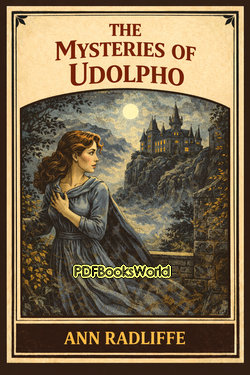
The Mysteries of Udolpho
by Ann Radcliffe
Castles, Shadows, and Psychological Terror in a Landmark Gothic Novel
Wind sweeps through abandoned corridors. Candles flicker beside locked chambers. Distant music echoes through ancient halls while hidden dangers lurk behind velvet curtains and stone walls. The Mysteries of Udolpho by Ann Radcliffe stands as one of the defining masterpieces of Gothic fiction, blending romance, suspense, emotional intensity, and eerie atmosphere into a haunting literary experience.
First published in 1794, the novel helped shape many of the themes and settings that later became central to Gothic literature and psychological horror.
Emily St. Aubert’s Journey Into Fear and Isolation
The story follows Emily St. Aubert, a sensitive and intelligent young woman whose peaceful life collapses after personal tragedy and emotional upheaval. As she becomes increasingly trapped within dangerous circumstances, she is drawn toward the mysterious Castle Udolpho, a remote and intimidating fortress filled with secrets.
Inside its dark halls, uncertainty becomes constant. Strange sounds, hidden passages, unexplained events, and threatening figures surround Emily as she struggles to preserve both safety and emotional strength.
The castle itself almost feels alive with fear and memory.
The Gothic Ingredients That Define the Novel
Radcliffe perfected many of the elements that later readers came to associate with Gothic storytelling.
- Ruined castles and isolated landscapes
- Threatening villains and emotional vulnerability
- Hidden manuscripts, locked doors, and family secrets
- Storms, moonlight, and supernatural suggestion
These features create an atmosphere of continuous suspense and emotional tension.
Terror Through Imagination Rather Than Violence
One reason Radcliffe’s work remains distinctive is her preference for psychological terror over graphic horror.
Fear often emerges through anticipation, uncertainty, and imagination rather than direct brutality. Emily frequently senses danger before fully understanding it.
Readers experience suspense through:
- Unexplained noises and mysterious appearances
- Emotional anxiety and isolation
- The fear of hidden truth
- The possibility of supernatural forces
This subtle method of creating terror became enormously influential.
Nature, Emotion, and Romantic Sensibility
Beyond fear and mystery, the novel also reflects Romantic fascination with nature and emotional experience.
Mountains, forests, storms, sunsets, and wild landscapes mirror the characters’ inner feelings throughout the story.
Radcliffe frequently pauses the suspense to describe scenery with poetic intensity, creating contrast between natural beauty and human danger.
The emotional atmosphere remains just as important as the plot itself.
The Writing Style of Ann Radcliffe
Radcliffe writes with elegance, vivid description, and carefully controlled suspense. Her language often feels atmospheric and emotionally rich rather than harsh or violent.
The pacing gradually increases tension through suggestion and uncertainty, allowing dread to build slowly across the narrative.
Her influence can later be seen in writers ranging from Edgar Allan Poe to the creators of modern Gothic fiction.
Why The Mysteries of Udolpho Still Fascinates Readers
The Mysteries of Udolpho remains compelling because it captures timeless fears involving isolation, hidden danger, emotional vulnerability, and the unknown lurking behind appearances.
For readers interested in Gothic literature, psychological suspense, Romantic fiction, haunted castles, and the origins of literary horror, Ann Radcliffe’s novel remains one of the most atmospheric and influential works ever written.
Similar Genres
About the Author
Ann Radcliffe was an English novelist whose imaginative storytelling established her as one of the most important writers of Gothic fiction. Her novels combined mystery, romance, suspense, and dramatic landscapes, creating stories that captivated readers across Europe during the late eighteenth century. Explore Ann Radcliffe books to discover the author's life, literary career, and access notable works.