
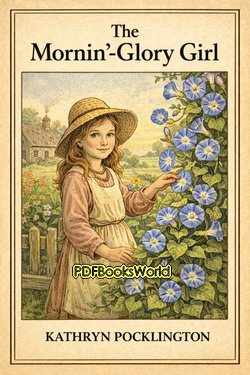
The Mornin'-Glory Girl
by Kathryn Pocklington
Hope, Kindness, and Personal Growth in a Warmhearted Story of Everyday Life
Simple joys, emotional resilience, small-town relationships, and the quiet beauty of ordinary life shape the gentle atmosphere of The Mornin'-Glory Girl by Kathryn Pocklington. The novel reflects the tradition of early twentieth-century sentimental and character-centered fiction, focusing on emotional warmth, human connection, and the ability of optimism and kindness to transform difficult circumstances.
Like the morning-glory flower suggested by the title, the story emphasizes brightness, renewal, and emotional grace within everyday experience.
A Story Rooted in Human Warmth
The novel centers on personal relationships and emotional development rather than dramatic action alone. Characters navigate hardship, misunderstanding, loneliness, and hope within a community shaped by familiar routines and social expectations.
The tone remains affectionate and emotionally sincere throughout the narrative.
Small acts of compassion and encouragement carry great importance within the story’s world.
The emotional focus gives the novel its comforting atmosphere.
Characters
The story’s appeal emerges largely through the personalities and emotional struggles of its characters.
- The central heroine embodies warmth, perseverance, and emotional generosity.
- Friends and neighbors contribute humor, support, and social complexity within community life.
- Authority figures and family members influence the heroine’s emotional growth and decisions.
- Secondary characters often reveal contrasting attitudes toward kindness, ambition, or social judgment.
The relationships between characters emphasize emotional sincerity over sensational conflict.
Themes
The novel explores themes associated with emotional resilience and the importance of human connection.
- Optimism during hardship
- The healing power of kindness and friendship
- Personal dignity and emotional perseverance
- The search for belonging and affection
- The beauty hidden within ordinary life
The story suggests that compassion and emotional honesty possess quiet transformative power.
The Symbolism of the Morning Glory
The title carries symbolic meaning connected with the morning-glory flower, often associated with freshness, renewal, hope, and fragile beauty.
This symbolism reflects the emotional tone of the novel itself, where resilience and warmth continue despite disappointment or difficulty.
The imagery suggests emotional brightness emerging from ordinary experience.
The natural symbolism strengthens the story’s gentle emotional atmosphere.
The Writing Style of Kathryn Pocklington
Pocklington writes with warmth, accessibility, and emotional directness. The prose focuses closely on personal feeling, social interaction, and character relationships.
The storytelling emphasizes sincerity and emotional comfort rather than harsh realism or complex experimentation.
The narrative style supports the novel’s themes of kindness and emotional endurance.
Why The Mornin'-Glory Girl Still Appeals to Readers
The Mornin'-Glory Girl continues to resonate because stories about hope, emotional resilience, and the importance of kindness remain universally meaningful. The novel offers comfort through its belief in human goodness and quiet perseverance.
For readers interested in sentimental fiction, character-driven storytelling, early twentieth-century domestic novels, and emotionally uplifting narratives, Kathryn Pocklington’s work provides a gentle and heartfelt exploration of courage and compassion in everyday life.
Similar Genres
About the Author
Kathryn Pocklington was an American author whose fiction reflected the warmth, optimism, and moral values that characterized much of early twentieth-century literature for young readers. Her stories often centered on ordinary people whose kindness, perseverance, and determination enabled them to overcome life's challenges. Explore Kathryn Pocklington books to discover the author's life, literary career, and access notable works.