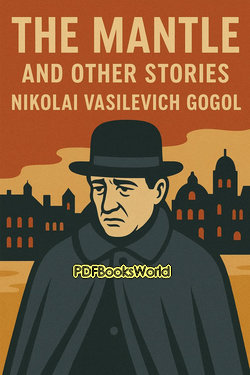
The Mantle and Other Stories
by Nikolai Vasilevich Gogol
Satire, Madness, and Social Criticism in The Mantle and Other Stories
The Mantle and Other Stories by Nikolai Gogol is one of the most important collections in Russian literature. The stories combine dark humor, absurd situations, and psychological depth to examine social inequality, bureaucracy, and human loneliness in nineteenth-century Russia.
The collection includes famous works such as The Mantle, The Nose, and Memoirs of a Madman. Through strange and often surreal events, Gogol exposes the fears, frustrations, and absurdities of everyday life.
Why Gogol’s Stories Remain Influential
Nikolai Gogol transformed ordinary social problems into unforgettable literary experiences filled with satire and imagination. His stories balance comedy with sadness, creating characters who are both ridiculous and deeply human.
Reasons Readers Continue to Admire the Collection
- Sharp social satire and irony
- Memorable and unusual characters
- Blend of realism and absurdity
- Psychological insight and emotional depth
- Strong influence on modern fiction
Many literary historians consider Gogol one of the founders of modern Russian prose fiction.
The Mantle and the Struggles of Ordinary Life
The best-known story in the collection follows Akaky Akakievich, a poor government clerk whose life revolves around obtaining a new overcoat. Although the story appears simple at first, Gogol turns the coat into a symbol of dignity, identity, and social survival.
The emotional impact of Akaky’s struggles helped establish sympathy for ordinary people as an important theme in Russian literature.
Readers interested in Russian literary history can explore Britannica’s article on Russian literature.
Absurdity and Psychological Fear
Stories such as The Nose and Memoirs of a Madman combine comedy with psychological unease. Gogol often presents bizarre events in a calm and realistic way, making the stories feel both humorous and disturbing.
His unusual storytelling style later influenced writers interested in surrealism, psychological fiction, and existential themes.
Major Themes in the Collection
- Social inequality and bureaucracy
- Isolation and loneliness
- Madness and psychological instability
- The absurdity of social status
- The search for dignity and identity
Gogol’s Unique Writing Style
Nikolai Gogol uses vivid description, exaggerated humor, and strange imagery to create stories that feel realistic and dreamlike at the same time. His writing shifts easily between comedy and tragedy, often revealing deep emotional pain beneath absurd situations.
His satirical style allowed him to criticize social institutions while still entertaining readers with imaginative storytelling.
More about Gogol’s literary career and influence can be found through Encyclopaedia Britannica’s biography of Nikolai Gogol.
The Collection’s Influence on Literature
The Mantle and Other Stories influenced many later writers, including Fyodor Dostoevsky and Franz Kafka. Gogol’s exploration of alienation, bureaucracy, and psychological anxiety helped shape modern literary fiction.
His stories continue to attract readers because they combine humor, horror, and social criticism in ways that still feel modern today.
Final Thoughts
The Mantle and Other Stories remains a landmark work of Russian literature because of its originality, emotional depth, and unforgettable satire. Nikolai Gogol transformed ordinary human struggles into strange and powerful stories that continue to influence literature around the world.
Similar Genres
About the Author
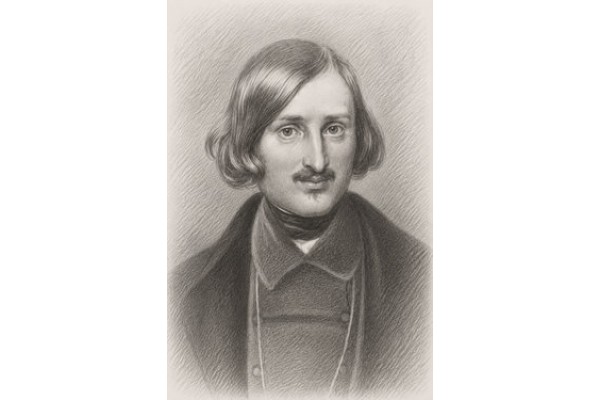
Nikolai Vasilevich Gogol was a Russian-born novelist, playwright, and short story writer of Ukrainian heritage whose imaginative works transformed nineteenth-century literature. Explore Nikolai Vasilevich Gogol books to discover the author's life, literary career, and access notable works, including Dead Souls , and more.