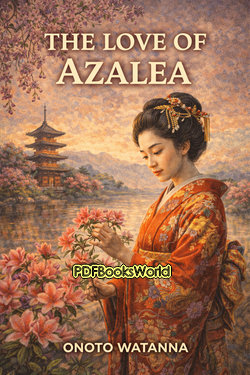
The Love of Azalea
by Onoto Watanna
Romance, Identity, and Cultural Conflict in Japan
The Love of Azalea by Onoto Watanna is a romantic and emotionally reflective novel exploring love, cultural identity, tradition, and personal independence within Japanese society. Written by Winnifred Eaton under her Japanese pen name, the novel blends romance with social observation while presenting Western readers with an imaginative vision of Japanese life during the late nineteenth and early twentieth centuries.
The story presents love not merely as emotional attachment, but as a force shaped by family expectation, social custom, and the tension between tradition and personal desire.
The Story of Azalea
The novel follows Azalea, a young woman whose emotional life becomes complicated by romance, social obligation, and the expectations surrounding family and cultural tradition. Intelligent and sensitive, she struggles to balance personal happiness against the restrictions imposed by society and duty.
As relationships deepen and conflicts emerge, the narrative explores misunderstandings, emotional sacrifice, and the difficulty of preserving individuality within rigid social structures. Romance develops alongside questions concerning identity, loyalty, and freedom.
Rather than focusing solely upon sentimental drama, the novel also examines cultural difference and changing social values.
Love and Cultural Expectations
A major theme throughout the novel is the conflict between personal emotion and traditional social obligation. Watanna repeatedly explores how cultural expectations influence romance, marriage, and women’s independence.
The work also reflects Western fascination with Japan during the period while blending romantic exoticism with emotional realism. Japanese settings, customs, and aesthetics contribute strongly to the atmosphere of the narrative.
At the same time, the story emphasizes the universal emotional struggles connected with love, dignity, and personal choice.
This combination of romance and cultural reflection gives the novel lasting literary interest.
Literary and Social Themes Explored Throughout the Novel
- Love and Emotional Conflict: Romance becomes complicated by duty and social pressure.
- Cultural Tradition and Change: Characters navigate shifting social expectations and values.
- Women and Personal Independence: Female identity and freedom become important concerns.
- Family and Social Obligation: Personal desires conflict with communal expectations.
- Cross-Cultural Fascination: The novel reflects international interest in Japanese society and aesthetics.
Onoto Watanna’s Romantic Style
The Love of Azalea demonstrates Onoto Watanna’s ability to combine emotional storytelling with graceful atmosphere and cultural detail. Her writing remains elegant, sentimental, and strongly focused upon emotional sensitivity and social observation.
Watanna consistently presents romance as deeply connected with identity, honor, and social expectation.
Why the Novel Still Holds Literary Interest
Modern readers continue finding The Love of Azalea valuable because its themes of cultural identity, romantic conflict, women’s independence, and emotional sacrifice remain timeless and emotionally engaging. The novel also provides insight into early twentieth-century literary representations of Japan and cross-cultural storytelling.
Its themes of love, tradition, personal freedom, cultural identity, and emotional resilience continue appealing to readers interested in historical romance, women’s literature, Japanese-inspired fiction, and cross-cultural literary history.
Similar Genres
About the Author
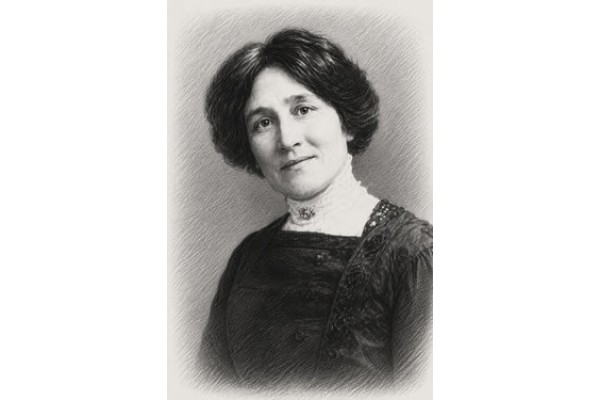
Onoto Watanna, the literary pseudonym of Winnifred Eaton, was a pioneering Canadian-American novelist and screenwriter whose works introduced Western readers to romantic stories inspired by Japanese settings and culture. Explore Onoto Watanna books to discover the author's life, literary career, and access notable works, including A Japanese Blossom, His Royal Nibs , and more.