
The Last Laugh
by D. H. Lawrence
A Thought-Provoking Story of Human Nature and Irony
The Last Laugh by D. H. Lawrence is a short work that reflects the author's keen interest in human emotions, personal relationships, and the hidden forces that shape individual behavior. Like much of Lawrence's fiction, the story explores the complexities of pride, desire, social expectations, and self-awareness. Through sharp characterization and psychological insight, he examines how people often misunderstand themselves and others, leading to unexpected consequences.
Although concise in form, the story carries many of the themes that made Lawrence one of the most influential literary figures of the twentieth century. It combines realism with subtle irony, encouraging readers to look beneath outward appearances and consider deeper motivations.
The Meaning Behind the Title
The phrase "the last laugh" traditionally refers to the ultimate triumph of an individual who has been underestimated or challenged. In Lawrence's hands, however, the concept becomes more complex. Victory and defeat are rarely straightforward, and apparent success may conceal deeper truths.
The title suggests an exploration of irony, where outcomes differ from expectations and characters are confronted with realities they had not anticipated.
Psychological Insight
One of Lawrence's greatest strengths as a writer was his ability to examine the inner lives of his characters. Rather than focusing solely on external events, he explores thoughts, emotions, and personal conflicts.
In this story, relationships and individual choices reveal underlying tensions. Characters often struggle with pride, insecurity, or misunderstandings, creating situations that lead to emotional and moral revelations.
Highlights of the Story
- Psychological Depth: Exploration of motives and emotions.
- Irony: Unexpected outcomes and shifting perspectives.
- Character Study: Focus on personal relationships and behavior.
- Social Observation: Commentary on attitudes and expectations.
- Literary Craftsmanship: Precise and thoughtful storytelling.
Human Relationships and Conflict
The story reflects Lawrence's belief that relationships often reveal fundamental truths about human nature. Interactions between characters expose ambitions, vulnerabilities, and hidden desires that might otherwise remain concealed.
These conflicts are rarely simple. Lawrence presents individuals as complex and sometimes contradictory, making their experiences feel authentic and relatable.
Major Themes
- Pride: The influence of ego on decisions and relationships.
- Irony: The contrast between expectation and reality.
- Self-Discovery: Learning uncomfortable truths about oneself.
- Human Nature: Exploring emotional and psychological complexity.
- Consequences: The results of choices and attitudes.
D. H. Lawrence's Literary Style
D. H. Lawrence is celebrated for his intense psychological realism and his willingness to examine subjects that many writers avoided. His prose often combines vivid description with deep emotional insight, allowing readers to engage closely with the inner experiences of his characters.
Even in shorter works, Lawrence demonstrates an ability to reveal complex truths through ordinary situations and personal interactions.
Why the Story Remains Relevant
The Last Laugh continues to interest readers because its themes are universal. Questions of pride, perception, success, and self-understanding remain as relevant today as when the story was written. Lawrence's exploration of these subjects encourages reflection on the ways individuals interpret their own lives and relationships.
For readers interested in psychological fiction, literary realism, and character-driven narratives, the story offers a compelling example of Lawrence's ability to uncover the deeper meanings hidden within everyday human experience. Its blend of irony, insight, and emotional complexity ensures its lasting appeal.
Similar Genres
About the Author
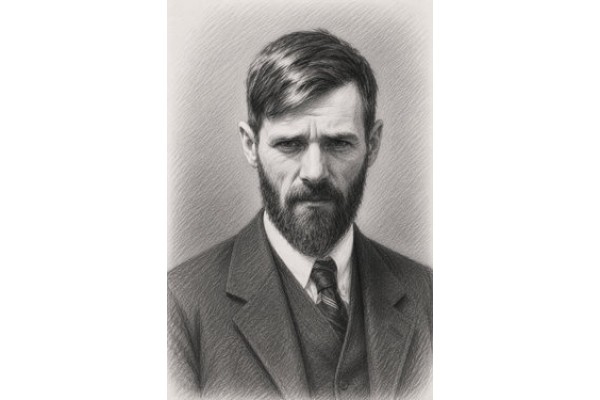
D. H. Lawrence, born David Herbert Lawrence, was an English novelist, poet, playwright, essayist, and literary critic whose bold exploration of human relationships and emotional life transformed twentieth-century literature. Born in Nottinghamshire, England, in 1885, Lawrence drew inspiration from his working-class upbringing and his keen observations of modern society. Explore D. H. Lawrence books to discover the author's life, literary career, and access notable works, including Sons and Lovers, Women in Love , and more.