
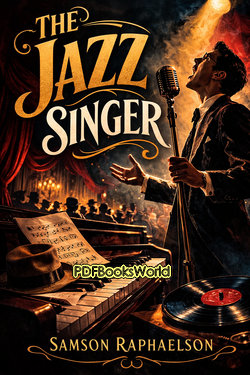
The Jazz Singer
by Samson Raphaelson
A Landmark Story of Tradition, Family, and Personal Ambition
The Jazz Singer by Samson Raphaelson is one of the most influential works in American popular culture. Originally written as a short story and later adapted into a stage play, it became widely known through the famous 1927 film adaptation that helped usher in the era of talking pictures. At its heart, the story explores the conflict between family expectations and individual dreams, presenting a deeply human struggle that continues to resonate with readers and audiences.
The narrative follows a young man torn between honoring his family's religious traditions and pursuing a career in popular entertainment. Through this conflict, Raphaelson examines questions of identity, heritage, ambition, and belonging.
The Conflict Between Two Worlds
The central tension of the story arises from the clash between old traditions and modern opportunities. The protagonist comes from a family devoted to preserving religious customs that have been passed down through generations. Yet he feels drawn toward a different future, one filled with music, performance, and personal expression.
This conflict creates emotional challenges not only for the young man but also for those who love him. The story demonstrates how change can strain family relationships while also opening doors to new possibilities.
Characters
- Jakie Rabinowitz (Jack Robin): The protagonist who dreams of becoming a successful entertainer despite his family's expectations.
- Cantor Rabinowitz: Jakie's father, a respected cantor who wishes his son to continue the family's religious tradition.
- Sara Rabinowitz: Jakie's devoted mother, caught between love for her son and loyalty to family traditions.
- Mary Dale: A performer who encourages Jack's career and supports his ambitions.
The Power of Music
Music serves as both a source of conflict and a means of connection throughout the story. Religious music represents heritage, faith, and family continuity, while popular music symbolizes freedom, individuality, and modern culture. The protagonist's journey involves finding a way to reconcile these seemingly opposing influences.
Raphaelson portrays music not merely as entertainment but as a powerful expression of identity and emotion.
Major Themes Found Throughout the Work
- Identity: Balancing personal ambitions with cultural heritage.
- Family: The bonds and tensions that connect generations.
- Tradition: Preserving values while adapting to change.
- Ambition: Pursuing dreams despite obstacles and expectations.
These themes help explain the story's lasting appeal across different eras and cultures.
Family Expectations and Personal Dreams
One of the work's most compelling elements is its portrayal of family relationships. The protagonist's desire to follow his own path is understandable, yet so is his father's wish to preserve a cherished tradition. Raphaelson avoids presenting either side as entirely right or wrong, instead focusing on the emotional realities faced by both generations.
This balanced approach gives the story depth and authenticity.
Cultural Significance
The Jazz Singer became an important cultural milestone because it reflected the experiences of many immigrant families in America. Questions about assimilation, cultural identity, and generational change were familiar to countless readers and audiences. The story's themes therefore extend beyond its specific setting to address universal human experiences.
Its influence on theater, literature, and film has ensured its place in cultural history.
Why Readers Continue to Appreciate the Work
- Timeless Themes: Identity, family, and personal ambition.
- Emotional Depth: Complex relationships between parents and children.
- Cultural Importance: A significant work in American entertainment history.
- Memorable Storytelling: A compelling blend of drama and music.
Why The Jazz Singer Remains Worth Reading
The Jazz Singer endures because it addresses universal questions about who we are, where we come from, and how we pursue our dreams. Through the story of Jakie Rabinowitz and his struggle to balance tradition with ambition, Samson Raphaelson created a powerful work that continues to speak to readers across generations. Its exploration of family, music, and identity ensures its lasting relevance and appeal.
Similar Genres
About the Author
Samson Raphaelson was an American playwright, screenwriter, and novelist whose work left a lasting mark on twentieth-century theatre and cinema. Renowned for his sharp dialogue, compelling character development, and keen understanding of human relationships, Raphaelson helped shape modern dramatic storytelling during Hollywood's golden age. Explore Samson Raphaelson books to discover the author's life, literary career, and access notable works.