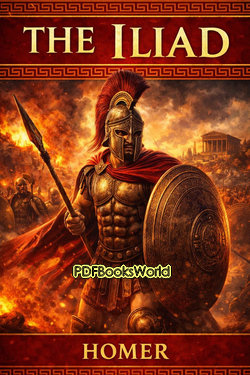
The Iliad
by Homer
An Epic Tale of War, Honor, and Heroism in Ancient Greece
The Iliad by Homer is one of the greatest epic poems in world literature. Written in ancient Greece, the poem tells the story of the Trojan War and focuses on the conflict between the Greek hero Achilles and King Agamemnon. Through powerful battles, emotional struggles, and heroic characters, the work explores themes of honor, fate, pride, and mortality.
The poem became a foundational text of ancient Greek literature and influenced storytelling, poetry, drama, and philosophy for centuries. Its themes of war, glory, and human suffering continue to resonate with readers around the world.
About the Author
Homer is traditionally regarded as one of the greatest poets of ancient Greece and the author of both The Iliad and The Odyssey. Although little is known about his life, his works became central to Greek culture and education.
Homer’s poetry combined vivid storytelling, memorable characters, and emotional depth, helping establish the traditions of epic literature in Western civilization.
Main Themes of the Epic
The Iliad takes place during the final weeks of the Trojan War and focuses mainly on Achilles, whose anger and pride affect the fate of both armies.
Important Themes Discussed
- War and heroism
- Honor, pride, and reputation
- Fate and the will of the gods
- Friendship, grief, and human suffering
The poem also examines the emotional consequences of war, showing both the glory and tragedy experienced by soldiers and families.
The Rage of Achilles
One of the central elements of the poem is Achilles’ anger after being insulted by Agamemnon. His refusal to fight changes the course of the war and leads to devastating consequences for the Greek army.
As the story progresses, Achilles experiences grief, revenge, and emotional transformation, making him one of the most complex heroes in ancient literature.
What Makes the Epic Unique
- Large-scale heroic battles and dramatic conflict
- Deep emotional and psychological themes
- Influence on later epic and heroic literature
Writing Style
Homer’s writing style is poetic, dramatic, and richly descriptive. The poem uses vivid imagery, repeated phrases, and formal speeches to create rhythm and emotional intensity.
The storytelling combines action, dialogue, and mythological elements, giving the epic both grandeur and emotional depth.
Historical Importance
The Iliad became one of the most influential works in the history of epic poetry and classical literature. It shaped ancient Greek culture and influenced countless writers, historians, and philosophers throughout history.
Historical Features
- Foundation of Western epic storytelling
- Influence on classical mythology and literature
- Reflection of ancient Greek values and beliefs
The poem also preserved important myths, traditions, and ideas about heroism and honor in ancient Greek society.
Lessons for Modern Readers
Modern readers continue to appreciate The Iliad because of its timeless exploration of pride, conflict, friendship, and loss. The emotional struggles faced by its characters remain meaningful despite the ancient setting.
The epic also encourages readers to think about the human cost of war and the complex nature of courage and leadership.
Conclusion
The Iliad by Homer remains one of the greatest masterpieces of world literature. Through unforgettable heroes, dramatic battles, and profound emotional themes, the poem continues to inspire readers with its powerful exploration of war, honor, and the human experience.
Similar Genres
About the Author
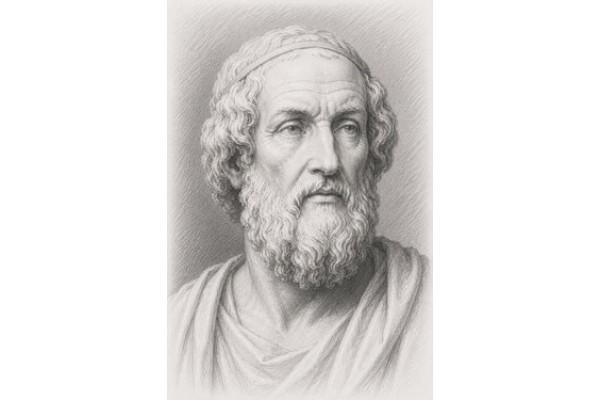
Homer was the legendary ancient Greek poet whose epic masterpieces laid the foundation of Western literature. Believed to have lived around the eighth century BC, Homer is traditionally credited with composing the Iliad and the Odyssey, two monumental works that have inspired poets, historians, philosophers, and artists for nearly three thousand years. Explore Homer books to discover the author's life, literary career, and access notable works, including The Odyssey , and more.